Stories
Are 50-paise coins legal tender? RBI rules explained
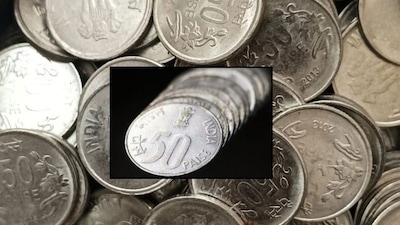
- •According to the Reserve Bank of India, 50-paise coins continue to remain legal tender.
- •Coins of 25 paise or lower denominations lost their legal tender status effective June 30 2011.
- •You can deposit old 50-paise coins into your bank account or exchange them through a bank.
- •Bank branches are instructed not to refuse to accept low-denomination currency notes or coins.
- •Although 50-paise coins are not currently in general circulation, their legal validity has not decreased.
Key Questions Answered
Yes, according to the Reserve Bank of India, government-issued 50-paise coins along with Re 1, Rs 2, Rs 5, Rs 10, and Rs 20 coins of various designs continue to remain legal tender. However, coins of 25 paise or lower denominations lost their legal tender status effective June 30, 2011.
A 50-paise coin is legal tender for a maximum payment of up to 10 rupees in a single transaction. This means you can use up to 20 fifty-paise coins, totaling 10 rupees, within this specified limit. Individuals can voluntarily accept coins exceeding this limit, but they cannot be forced to do so.
Even though 50-paise coins are not currently in general circulation, their value has not decreased, and a 50-paise coin is still worth 50 paise. You can deposit them into your bank account or exchange them through a bank branch. The RBI has clarified that bank branches should not refuse low-denomination coins, and there is no maximum limit for depositing coins.