Stories
Geyser vs Solar Heater: Which Saves More Money
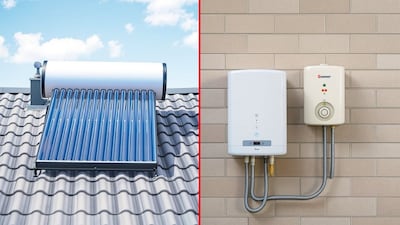
- •Both geysers and solar water heaters are popular options for fulfilling hot water needs during winter.
- •Electric geysers have a lower initial cost but significantly increase the monthly electricity bill.
- •Solar water heaters have a higher upfront cost but can save up to 1500 units of electricity annually.
- •A geyser typically lasts between 8 to 12 years, while a solar water heater can last 15 to 25 years.
- •Geysers suit small families and limited budgets, whereas solar heaters offer long-term financial savings.
Key Questions Answered
A good brand storage geyser with a 15 to 25-liter capacity typically costs between 6,000 and 11,000 rupees. In contrast, installing a 100-liter capacity solar water heater can cost approximately 25,000 to 40,000 rupees, which covers plumbing, installation, and frame creation.
An average household electric geyser can consume about 1,000 units or more of electricity per year, increasing utility bills. Meanwhile, a 100-liter solar water heater uses sunlight and can save up to approximately 1,500 units of electricity annually, depending on sunlight intensity and usage.
An electric geyser generally lasts between 8 to 12 years, though components like the heating rod may develop issues over time. On the other hand, a solar water heater has a longer estimated lifespan of 15 to 25 years, depending heavily on maintenance, usage patterns, and device quality.