Stories
Arabian Sea vs Bay of Bengal: Cyclone Formation and Tamil Nadu Weather
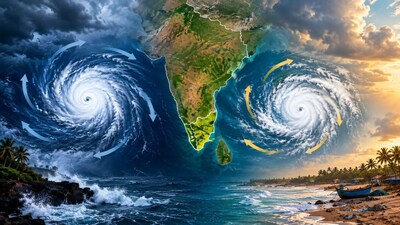
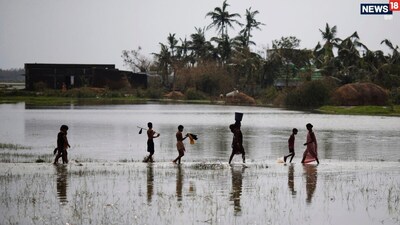
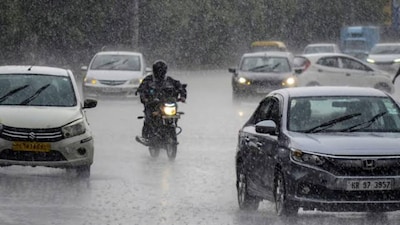
- •Heavy rains are lashing districts like Nilgiris, Coimbatore, Erode, and Villupuram due to an atmospheric circulation prevailing over the Bay of Bengal
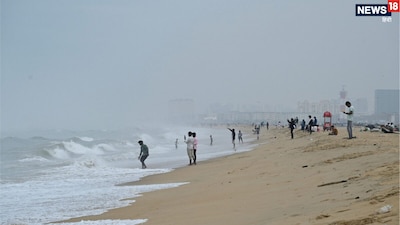
- •Chennai and suburbs experienced widespread rain with over 30 cm of rainfall recorded in areas like Parry's Corner and Kathivakkam
- •About 77 percent of India's river water flows into the Bay of Bengal, while only 23 percent flows into the Arabian Sea
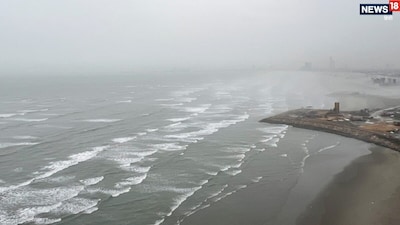
- •The Bay of Bengal retains solar heat easily on its surface due to lower salinity from excess fresh water, making it prone to frequent cyclones
- •The Arabian Sea acts as the backbone for the Southwest monsoon, whereas the Bay of Bengal dictates the Northeast monsoon affecting eastern coastal regions
Key Questions Answered
A total of 77 percent of India's river water flows into the Bay of Bengal, making its surface less saline and less dense. This fresh water barrier prevents solar heat from mixing with cold deep water, causing the surface to warm up quickly and trigger cyclones.
The eastern coast along the Bay of Bengal is shallow and flat, allowing major rivers to slow down and form deltas. In contrast, rivers on the western coast flow through the Western Ghats or rift valleys and empty directly into the Arabian Sea, creating estuaries and deep natural ports rather than deltas.
Moisture-laden winds originating from the Arabian Sea strike the Western Ghats and drop heavy rainfall in states like Kerala. Because these rain-bearing winds cannot cross the high mountain range, Tamil Nadu located on the other side remains mostly dry.