Stories
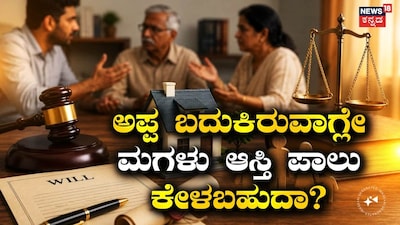
Do wife and daughter have rights in ancestral property? What does the law say?

- •Under the Hindu Succession Act, both wives and daughters are eligible to inherit property, though shares depend on the type of property.
- •For self-earned properties, the owner has complete ownership and can gift or will the property to anyone of their choice during their lifetime.
- •Daughters have an equal right by birth to ancestral property, just like sons, and this right remains unaffected even after marriage.
- •If a person dies intestate without writing a will, the property is divided equally among Class I heirs including the wife, mother, son, and daughter.
Key Questions Answered
Under the Hindu Succession Act, a daughter has an equal right to ancestral property by birth, just like a son, regardless of whether she is married or unmarried, as supported by a 2005 Supreme Court judgment. However, granting a share of property involves legal complexities depending on whether the property is ancestral, self-earned, or inherited.
If a father dies intestate, meaning without writing a valid will, his self-earned property is divided equally among Class I legal heirs under Sections 8 and 10 of the Hindu Succession Act. These primary heirs include the deceased person's wife, son, daughter, and mother.
Yes, properties earned or created by a person through their own efforts, such as a purchased house, shop, or land, can be given as a gift or through a will to a wife, daughter, son, or anyone else. The owner has complete absolute ownership and discretion over such self-earned properties during their lifetime.