Stories
Bus Fires: Minutes to Escape! Why So Dangerous, What Mistakes Endanger Passengers?
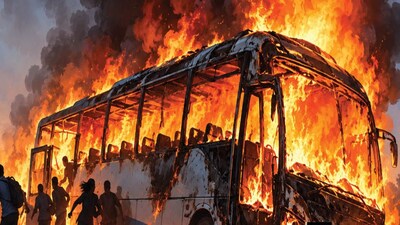
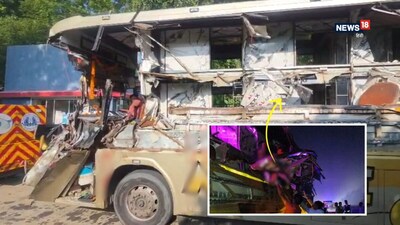
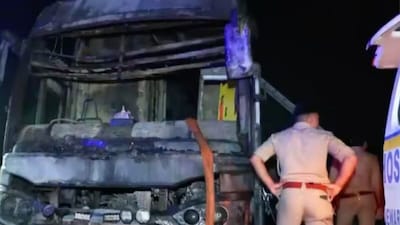
- •Bus fires are increasing in India, especially in long-distance sleeper buses, posing a high risk of fatalities.
- •Experts cite engine/fuel tank location, flammable materials, and narrow passages as reasons for bus fire dangers.
- •On September 23, nine died in a Noida bus fire; passengers claimed the driver ignored smoke warnings.
- •In October 2025, bus fires in Andhra Pradesh and Rajasthan killed 20 and 21 passengers, respectively.
- •NCRB data shows 28 public transport vehicles were involved in 136 vehicle fires in India in 2024.
Key Questions Answered
Bus fires can be triggered by electrical short circuits, AC system faults, engine overheating, or fuel and oil leaks near hot engine parts. In sleeper buses, flammable interior materials like rexine, foam, and plywood, along with sealed windows and narrow exits, cause fires to spread rapidly and trap passengers within minutes.
Once a fire starts, data suggests it can engulf an entire bus within 5 to 10 minutes, and in just 3 minutes if the source is near the engine or fuel supply. In air-conditioned buses, passengers have only about two minutes to escape before toxic smoke and gases fill the interior.
Recent tragic accidents have prompted authorities to examine tighter bus registration rules, focusing on body and chassis-level fitment and stricter RTO oversight. Proposals under consideration include mandating that only accredited bus body builders manufacture sleeper coaches to ensure consistent structural, fire, and passenger safety standards.