Stories
7 Indian Films Challenging Gender Stereotypes and Championing Women's Rights
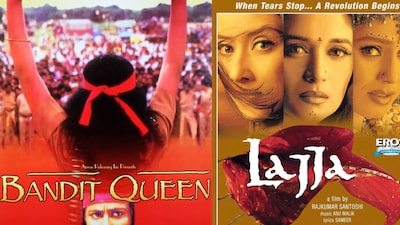
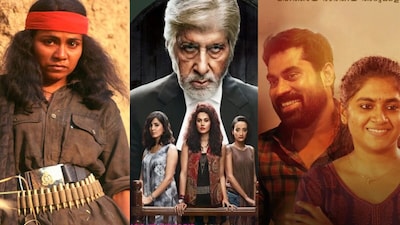
- •"Bandit Queen" (1994) highlighted caste discrimination, child marriage, and sexual violence through Phoolan Devi's story, questioning the portrayal of women's experiences on screen.
- •"Lajja" (2001) addressed domestic abuse, dowry, and societal pressures, challenging the expectation for women to endure injustice for family unity.
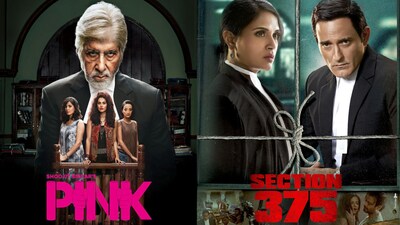
- •"Pink" (2016) focused on consent and societal judgment of women based on their lifestyle, clothes, and relationships.
- •"Thappad" (2020) explored domestic violence beyond physical abuse, examining the subtle compromises women make in marriages.
- •"The Great Indian Kitchen" (2021) critiqued unpaid domestic labor and traditional gender roles, questioning the definition of an ideal wife.
- •"Lipstick Under My Burkha" (2016) followed four women seeking freedom, exploring their relationships, sexuality, ambitions, and societal constraints.
Key Questions Answered
Bandit Queen (1994) tells the story of Phoolan Devi, who experienced poverty, caste discrimination, child marriage, and sexual violence before becoming a bandit. The film brought national attention to caste issues, poverty, and violence against women.
Thappad (2020) follows a homemaker named Amrita whose marriage changes after her husband slaps her at a party. The movie examines domestic violence beyond physical abuse, highlighting the minor compromises women are routinely expected to make in marriages.
The Great Indian Kitchen (2021) follows a newly married woman frustrated by her expected household routine. It explores how unpaid domestic labor is taken for granted and questions traditional concepts surrounding marriage, motherhood, gender roles, and ideal wife expectations.