Stories
What is Conflict Gold? The Dark Truth Behind Your Jewelry
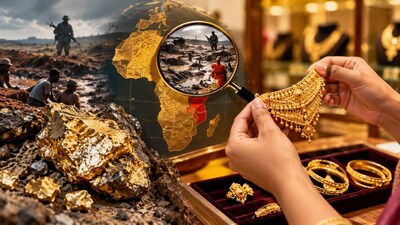
- •Conflict gold refers to gold extracted from war zones or regions experiencing armed conflict.
- •Money earned from conflict gold is often used by armed groups to purchase weapons and fund ongoing violence.
- •Parts of Africa, particularly the eastern Democratic Republic of Congo, have long faced controversies over mineral trade.
- •The complex supply chain involving multiple traders, refineries, and international hubs makes tracing the exact origin of gold difficult.
- •UAE and Dubai serve as major global bullion trading hubs through which a large portion of African gold passes into international markets.
Key Questions Answered
Conflict gold refers to gold obtained from areas experiencing war or armed conflict. When armed groups take control of mines and sell the extracted gold, the money earned is often used to buy weapons and continue the fighting. Regions like the eastern Democratic Republic of Congo have faced controversies over armed groups funding themselves through mineral and gold trades.
Gold goes through a complex chain from the mine to local traders, exporters, refineries, international bullion markets, and jewelry shops. Once gold is melted and refined, tracking its exact original source and supply chain journey becomes extremely difficult. Additionally, the end consumer rarely receives information about where the gold in their jewelry actually came from.
In 2022, the US government imposed sanctions on Belgian businessman Alain Goetz and his associated business networks. The US alleged that his network, which included the African Gold Refinery near Uganda, facilitated the conflict-related gold trade from eastern DRC and transport routes to international markets. Goetz denied the allegations, claiming AGR was a legal refinery that conducted proper due diligence.