Stories
Should You Make One Rs 10 Lakh FD Or Ten Rs 1 Lakh FDs?
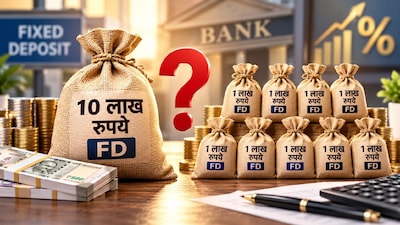
- •From a numerical perspective, the total returns earned on a single lumpsum FD of Rs 10 lakh or ten separate FDs of Rs 1 lakh are almost identical.
- •Making a single FD of Rs 10 lakh involves less paperwork and is easier to track and manage.
- •The major drawback of a single large FD is poor liquidity, as an emergency forces you to break the entire amount, resulting in interest loss and penalties.
- •Creating multiple FDs of Rs 1 lakh provides great flexibility, allowing you to break only the required amount during financial emergencies while keeping the rest intact.
- •Splitting deposits across different banks enhances financial safety under the DICGC insurance scheme and lets you leverage better interest rates.
Key Questions Answered
No, from a numerical point of view, there is no significant difference in the total returns. If the interest rate and tenure are identical, the final maturity amount for a single lumpsum FD is almost the same as multiple smaller FDs combined.
Creating multiple FDs offers better liquidity and safety. In an emergency, you only need to break the specific smaller FDs required instead of liquidating your entire savings. Additionally, splitting amounts across different banks ensures that your capital remains fully protected under the DICGC insurance limit of up to Rs 5 lakh per bank.
Making a single large FD is simple, requires less paperwork hassle, and makes it easy to track investment and maturity dates. However, its major drawback is a lack of liquidity; if you suddenly need a small amount of cash, you are forced to break the entire deposit, resulting in a loss of interest and bank penalties.