Stories
Kumartuli: Where Maa Durga Takes Shape Before Puja
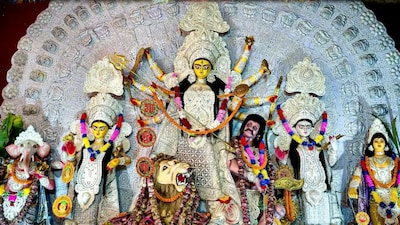
- •Kumartuli, a 300-year-old neighborhood in Kolkata, is where artisans craft Maa Durga idols for celebrations across India and globally, long before Durga Puja officially begins.
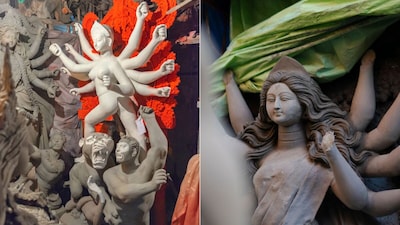
- •The idol-making process starts with the Kathamo, a skeletal framework of wood and bamboo, followed by sacred rituals and wrapping with straw.
- •Artisans use two types of clay, entel mati and bele mati, applied in layers over several days to form the goddess's shape.
- •Faces and limbs are often prepared separately, sometimes using molds, requiring considerable skill to attach, refine, and create distinctive expressions.
- •The tradition originated from Krishnanagar, with skilled kumars settling in Kumartuli along the Hooghly River, passing down techniques through generations.
Key Questions Answered
The story of Kumartuli dates back around 300 years and is closely linked to Krishnanagar in West Bengal's Nadia district. Maharaja Krishnachandra popularized idol worship in the region, and skilled kumars brought from Krishnanagar eventually settled along the Hooghly River in Kolkata.
The idol-making process starts with a skeletal framework called the Kathamo made of wood and bamboo. Artisans apply a foundational first layer consisting of sticky, high-tensile entel mati mixed with rice husk (tush), followed by a second layer of crisper bele mati.
The face and limbs are often prepared separately, sometimes using moulds to produce multiple idols without sculpting every feature from scratch. Artisans then use considerable skill to attach these individual pieces, refine contours, and paint distinctive expressions.