Stories
Rainy Season Dampness: A Silent Threat to Respiratory Health, Warns Doctor
N
News18•30-09-2026, 11:57
Rainy Season Dampness: A Silent Threat to Respiratory Health, Warns Doctor
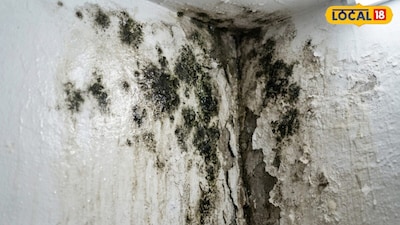
- •Prolonged dampness in homes during the rainy season can lead to mold growth, posing significant health risks, especially to the respiratory system and lungs.
- •Microscopic mold particles can cause allergies and respiratory infections; individuals with asthma, allergies, or weak immune systems are particularly vulnerable.
- •Dr. Khushboo, Senior Consultant Pulmonology at Yashoda Hospital Sanjayanagar, Ghaziabad, emphasizes that mold spores can reach the lungs, exacerbating allergy problems and increasing infection risk for immunocompromised patients.
- •Symptoms of mold exposure include persistent cough, shortness of breath, phlegm (potentially brown), and airway irritation; recurring asthma despite treatment may indicate mold-related issues like ABPA.
- •To mitigate risks, address the root cause of dampness, ensure proper ventilation, and seek medical advice if symptoms persist, especially for children, the elderly, and those with pre-existing respiratory sensitivities.
Key Questions Answered
Microscopic particles released from mold can enter the body through breathing, causing allergies and respiratory infections. This can lead to symptoms like persistent cough, shortness of breath, airway irritation, and sometimes brown phlegm.
People who already suffer from asthma, allergies, or a weak immune system face a higher risk. Additionally, individuals with conditions like diabetes, as well as children and the elderly, need to be extra careful around dampness.
Instead of merely cleaning visible mold, the root cause of dampness must be permanently resolved by fixing water or pipeline leaks. Adequate ventilation should be maintained in rooms to prevent moisture from accumulating.