Stories
Lemon & Neem Peels: Village Mosquito Repellent Still in Use, They Disappear Fast!
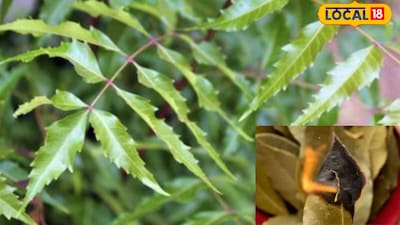
- •Lemon and neem peels are still used in rural areas to repel mosquitoes; place them where mosquitoes are frequently seen.
- •According to Dr. Yogesh Sharma, keeping surroundings clean and eliminating breeding grounds are the most crucial steps for mosquito prevention.
- •Burning dried neem leaves or cow dung cakes is a traditional method, but keep small children, the elderly, and those with respiratory issues away from the smoke.
- •Such home remedies do not guarantee complete protection; eliminating mosquito breeding grounds is paramount to prevent diseases like dengue, malaria, and chikungunya.
- •The most effective step is to eliminate standing water in and around the house, regularly cleaning coolers, plant trays, and other water containers.
Key Questions Answered
Lemon and neem peels can be placed in areas of the house where mosquitoes or small insects are frequently seen. The scent of lemon helps deter some insects, while burning dried neem leaves creates a smoke that has traditionally been used in rural areas to reduce mosquito activity.
Burning leaves or cow dung cakes can cause irritation to the eyes and respiratory tract. Small children, the elderly, and people with respiratory problems should be kept away from the smoke, and rooms must have good ventilation.
The most effective step to prevent diseases like dengue, malaria, and chikungunya is to eliminate standing water and breeding grounds in and around the house. This includes regularly cleaning coolers, plant trays, old tires, and buckets, as well as keeping water tanks covered.