Stories
Why Pillows Turn Yellow and How to Clean Them Easily
N
News18•08-10-2026, 21:00
Why Pillows Turn Yellow and How to Clean Them Easily
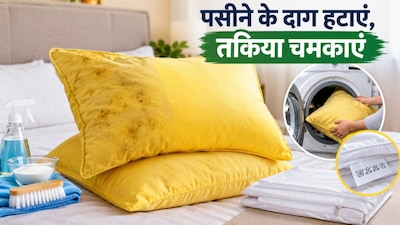
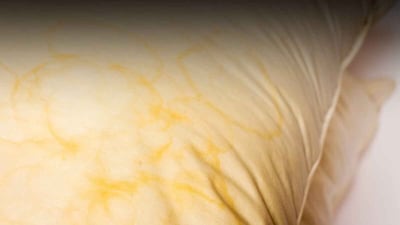
- •Body sweat, facial oils, drool, and hair products seep through pillowcases, causing yellow stains, trapping bacteria, and attracting dust mites.
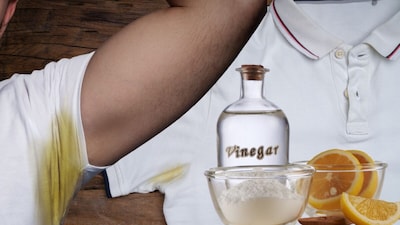
- •A mixture of baking soda and water applied to stains for 30 minutes, followed by white vinegar and machine washing, removes discoloration and odors.
- •Combining lemon juice with warm water or white vinegar and leaving the pillow in direct sunlight uses natural UV rays to bleach out stains.
- •Washing pillowcases weekly, deep cleaning pillows every three to six months, and using a waterproof protector prevents deep stain absorption.
- •Experts recommend replacing bed pillows every 18 to 24 months to maintain structural support, proper spinal alignment, and optimal hygiene.
Key Questions Answered
Even clean pillowcases cannot block body sweat, facial oils, drool, and hair products from seeping through into the filling. Over time, these accumulated fats, proteins, and moisture create stubborn yellow stains while also attracting dust mites and unpleasant odors.
Mix equal parts of baking soda and water to form a smooth paste and apply it to the yellow stains for 30 minutes. Afterward, spray the area with white vinegar and wash the pillow in the machine to lift discoloration and eliminate odors.
Sleep experts recommend replacing bed pillows every 18 to 24 months. This routine helps maintain proper spinal alignment and ensures optimal hygiene by preventing the buildup of invisible allergens.