Stories
Essential Winter Geyser Safety Checks You Must Do Before Switching It On
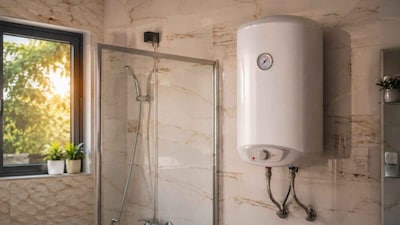
- •Schedule professional servicing to remove hard water mineral scaling, which slows down heating and increases power consumption.
- •Inspect the sacrificial anode rod to prevent inner tank corrosion and avoid rust-colored hot water during winter.
- •Verify that thermostats and pressure relief safety valves are functioning correctly to prevent overheating and high internal pressure.
- •Check electrical wiring, wall sockets, power plugs, and earthing with a qualified electrician to prevent short circuits.
- •Inspect flexible inlet and outlet pipes for visible leaks, cracked joints, or corrosion to avoid water waste and structural damage.
Key Questions Answered
Hard water minerals build up inside the storage tank and coat the heating element over time, which slows down water heating, increases power consumption, and causes rumbling noises. Scheduling professional servicing every few months removes this scaling to restore heating speed and reduce electricity bills.
Storage geysers use a sacrificial anode rod to attract corrosive minerals and protect the inner metal tank. Because this rod degrades completely over time, a technician should inspect it before winter, as rust-colored hot water or visible tank corrosion indicates it requires immediate replacement.
The thermostat and the pressure relief safety valve must be verified before daily winter usage, as the thermostat regulates temperature to prevent overheating while the valve vents excess internal pressure. Malfunctioning valves or faulty thermostats must be repaired or replaced immediately to ensure safe operation.