Stories
Understanding HIV Exposure Risks And Why PEP Treatment Must Begin Within 72 Hours
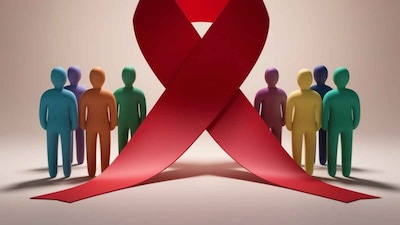
- •HIV weakens the immune system and spreads through specific infected bodily fluids such as blood, semen, vaginal fluids, and breast milk.
- •Everyday interactions like handshakes, hugs, sitting together, or sharing meals do not transmit HIV.
- •Post-exposure prophylaxis (PEP) utilizes antiretroviral medicines and must be started within 72 hours of potential exposure, typically taken for 28 days.
- •Early symptoms can include fever, headache, sore throat, and fatigue, but symptoms alone cannot confirm an HIV diagnosis.
- •Government Integrated Counselling and Testing Centres provide confidential HIV testing, counseling, and guidance on nearby medical services.
Key Questions Answered
Post-exposure prophylaxis (PEP) uses antiretroviral medicines to reduce the risk of infection following a possible HIV exposure. It must be initiated within 72 hours and is typically taken for a duration of 28 days under strict medical supervision.
During the early stages of HIV, some individuals experience no symptoms while others may develop a fever, headache, sore throat, skin rashes, and fatigue. Later symptoms can include unexplained weight loss, prolonged fever, persistent diarrhoea, a cough, and swollen lymph nodes.
Government Integrated Counselling and Testing Centres (ICTCs), medical colleges, and district hospitals offer confidential HIV testing and counselling services. Individuals can also contact the National AIDS Control Organisation via their toll-free helpline at 1097 for details on nearby centres and services.