Stories
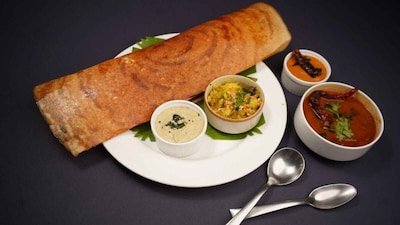
Master Crispy Dosas: 6 Easy Tricks to Stop Sticking and Get Restaurant-Style Results!
N
News18•23-09-2026, 15:14
Master Crispy Dosas: 6 Easy Tricks to Stop Sticking and Get Restaurant-Style Results!
- •Achieve perfect, non-stick dosas at home by mastering batter consistency, pan temperature, and fermentation techniques.
- •Avoid common mistakes like overheating or underheating the pan; medium heat is ideal for even cooking and easy spreading.
- •Ensure your dosa batter is neither too thick nor too watery for optimal spreading and to prevent tearing.
- •Proper fermentation is crucial for texture and flavor; allow batter to ferment in a warm place for sufficient time.
- •Spread batter gently in circular motions and resist lifting the dosa too soon to ensure it cooks through and crisps up.
- •Enhance crispiness by adjusting the rice-to-urad dal ratio and adding chana dal and fenugreek seeds to the batter.
Key Questions Answered
To check if the pan is ready, sprinkle a few drops of water on it. If the droplets move around and evaporate quickly, or sizzle and evaporate rapidly, the pan has reached the correct temperature.
The batter should not be too thick or too watery. If it is overly thick, spreading it becomes difficult and the result is heavy, whereas a watery batter fails to hold its shape and can tear.
A dosa often sticks if the pan is improperly prepared, lacks cleanliness, or is not at the right temperature. Overheating makes the batter cook too quickly and burn, while a pan that is too cold prevents proper spreading.