Stories
Markets flooded with stale Gujarat and Mumbai hilsa: How to identify authentic Ganges hilsa
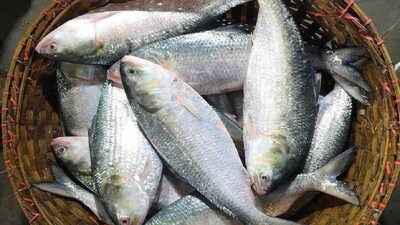
- •The hilsa season is ending, and markets are currently flooded with sea hilsa from Gujarat and Mumbai.
- •Ganges hilsa is a river fish that accumulates fat during its journey to fresh water, making it extremely tender and delicious.
- •Sea hilsa from Gujarat and Mumbai often lacks flavor and its oil can sometimes develop a petrol-like odor.
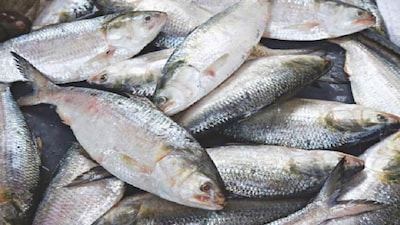
- •Authentic Ganges hilsa features bright, clear eyes with a slight reddish tint and a glossier appearance.
- •Ganges hilsa is flat in shape with a thick belly and neck, whereas sea hilsa tends to be elongated and thin.
Key Questions Answered
Ganges hilsa is glossier with a faint red mark along the middle, clear and bright eyes with a reddish tint, and a flat, short shape with a thick belly and neck. In contrast, sea hilsa from Gujarat and Mumbai is elongated, thin, less glossy, and has sunken, cloudy eyes from being stored in cold storage.
Gujarat and Mumbai hilsa are saltwater fish that feed mainly on plankton and small creatures while traveling from the sea, accumulating an oil that can develop a petrol-like odor. Conversely, Ganges hilsa swim into sweet river water to spawn, where accumulated fats break down cleanly, and they consume phytoplankton and nutrients that enhance their delicious, tender taste.
Fresh Ganges hilsa feature red gills, though dishonest traders may sometimes apply artificial red coloring that does not last long when rubbed. Additionally, when cutting the fish, a reddish blood color indicates fresh river hilsa, whereas dark-colored blood points to stored sea hilsa from Gujarat and Mumbai.