Stories
LPG Cylinder Safety: Is Your Gas Pipe Safe? Check These Warning Signs
N
News18•22-09-2026, 13:13
LPG Cylinder Safety: Is Your Gas Pipe Safe? Check These Warning Signs
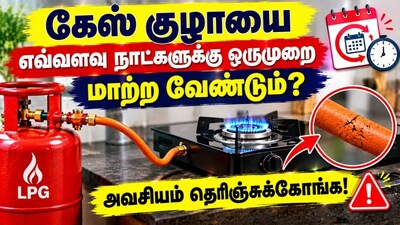
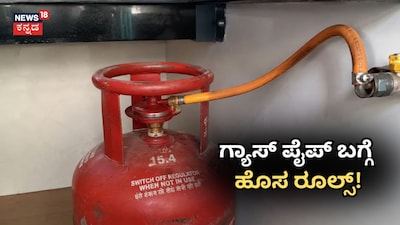
- •Regularly inspect your LPG gas hose for cracks, cuts, hardening, or burn marks, as prolonged use, heat, and rodents can cause damage.
- •Standard rubber tubes should be replaced every two years, while IndianOil's Suraksha LPG hose, manufactured to BIS standards, has a five-year replacement period.
- •Always purchase BIS/ISI-standard compliant hoses, preferably from an authorized LPG distributor, to avoid risks associated with poor-quality products.
- •When replacing a hose, turn off the regulator, ensure secure connections, and check for leaks; if unsure, seek professional help.
- •In case of a gas leak, immediately turn off the supply, avoid open flames or electrical switches, ventilate the area, and contact emergency services (Helpline 1906 in India).
Key Questions Answered
HPCL recommends replacing a standard rubber tube every two years, whereas the IndianOil Suraksha LPG hose has a replacement period of up to five years.
You should replace a gas hose immediately if you notice cracks, cuts, hardening, burn marks, or damage around the connections instead of waiting for its scheduled replacement date.
Act immediately by turning off the gas supply if safe, avoiding any flames or lighters, and refraining from switching electrical appliances on or off. Open doors and windows to improve ventilation, move everyone to a safe location, and call the LPG emergency helpline at 1906 if the situation is serious.