Stories
Madras Medical College: The Centenary History of the Anatomy Hall
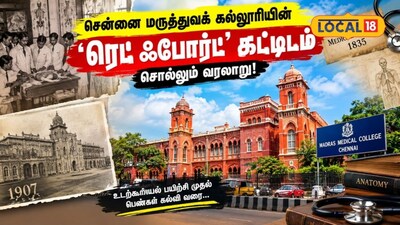
- •Madras Medical College near Chennai Central Railway Station stands as the premier center that laid the foundation for modern medical education in South India.
- •Anatomy training initially used wax models before transitioning to structured anatomy theater systems to help medical students.
- •While historical records show varying construction periods for the Red Fort building, the year 1907 is engraved on its iron support pillars.
- •Professor D. Sundara Reddy, the first Indian head of the anatomy department, made rigorous efforts to shift the department to the current eastern building in the 1920s.
- •The enrollment of women like Mary Scharlieb in medical studies in 1875 marked a significant turning point for gender equality in Indian medical history.
Key Questions Answered
Beginning as a small medical school in Fort St. George in 1835 and elevated as a college in 1850, Madras Medical College laid the foundation for modern medical education in South India. Its iconic red brick anatomy hall, known as the Red Fort building, faced 19th-century training challenges by using formalin liquid, large airy windows, and legally obtained bodies.
There are three different sources concerning the building's construction period. American physician Nicholas Senn stated the anatomy building existed in 1883, PWD documents cite 1897-99, and the year 1907 is engraved on the iron support pillars.
Professor D. Sundara Reddy was the first Indian head of the anatomy department. To improve poor lighting and facilities from a small building near the railway track, he made rigorous efforts to shift the department to the current eastern Red Fort building in the 1920s.