Stories
10 Unwritten Rules Every Indian Railways Passenger Knows
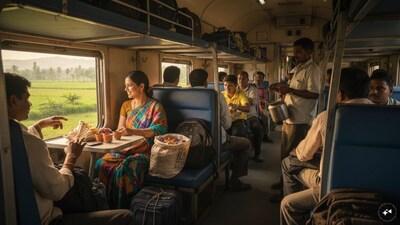
- •Window seats are coveted; expect polite requests for exchange, requiring negotiation.
- •The 'Can you watch my seat?' tradition is a gesture of trust, but always secure valuables.
- •Chai vendors are integral to the journey; keep change ready and don't block aisles.
- •Your berth often becomes a temporary community space for sharing and conversation.
- •Berth swapping is a favor, not an entitlement; ask politely and accept a 'no' gracefully.
- •Keep luggage close and organized; valuable belongings should be secured and watched.
- •Charging points are shared resources; take turns or use a power bank to avoid negotiation.
- •The middle berth has an unwritten timetable for day-to-night conversion, requiring courtesy.
- •Keep volume low after bedtime; use headphones and speak softly to avoid disturbing others.
- •Food sharing is common, but always ask before taking anything offered.
Key Questions Answered
Passengers should keep their luggage close and organized under seats or in designated areas, ensuring bags are secure and watched. According to railway guidelines regarding luggage space, the area under the lower berth is shared equally among all passengers in that bay rather than being monopolized solely by the lower berth occupant.
Berth swapping is a polite favor rather than an entitlement, so passengers should ask respectfully and accept a refusal without argument. Additionally, middle berth passengers have a specific timeframe to keep their seating or sleeping arrangements deployed, requiring cooperation with fellow travellers regarding daytime seating and nighttime sleeping modes.
Charging points in crowded coaches are shared infrastructure, and regular travellers typically take turns rather than monopolizing them, especially on overnight trips. For added convenience or peace of mind during restricted hours, carrying a personal power bank can help avoid any potential charging negotiations.