Stories
Stablecoins and Tokenised Assets: What Indian Investors Need to Know

C
CNBC TV18•13-10-2026, 11:16
Stablecoins and Tokenised Assets: What Indian Investors Need to Know
- •Stablecoins are digital tokens designed to maintain a stable value against reserve assets like the US dollar, facilitating cross-border payments and digital asset transfers.
- •Stablecoins are not bank deposits or RBI-authorised payment instruments, and their value depends on the issuer's reserves, financial health, and redemption terms.
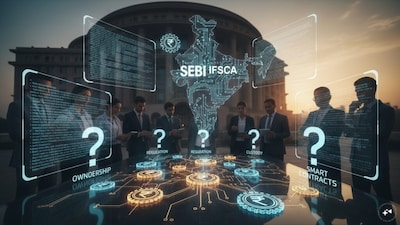
- •Tokenisation represents physical or financial assets like corporate bonds digitally on a blockchain, a concept being explored by SEBI via the Demat 2.0 pilot.
- •Tokenised assets improve settlement efficiency but do not change the underlying investment quality or credit risk of the asset.
- •Indian investors must carefully evaluate issuers, redemption rights, custody security, and tax obligations like TDS under Section 194S before investing.
Key Questions Answered
Stablecoins are digital tokens designed to maintain a relatively stable value against an asset like the US dollar, facilitating transfers between digital-asset platforms, cross-border payments, remittances, and business settlements.
A dollar-linked stablecoin is not an RBI-authorised payment instrument and carries risks such as inadequate reserves, issuer failure, loss of price peg, cyberattacks, withdrawal restrictions, and applicable tax, legal, and anti-money-laundering frameworks.
Tokenisation digitally represents an asset or ownership rights on a blockchain. India is exploring this through SEBI's Demat 2.0 pilot for tokenised corporate bonds, which aims to make financial settlements more efficient.