Stories
Yemen's Houthi Conflict: Deep Roots Beyond Religion Threaten Global Energy Supply
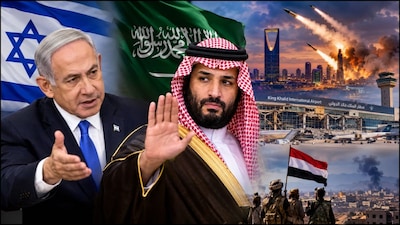
- •The Saudi-Houthi conflict in Yemen, rooted in ethno-religious rivalry, poses a serious challenge to global energy supply chains through the critical Bab el-Mandeb maritime chokepoint.
- •Yemen's complex power dynamics are shaped by geography, ancient tribal confederations, and Islamic legal schools, with 65% Sunni (Shafi'i school) and 35% Shia (Zaydi school) populations.
- •The Houthi movement emerged from a Zaydi revivalist identity in northern Yemen, fueled by resentment against the central government, Saudi Salafism, and perceived corruption.
- •Tribal affiliations are a powerful social force in Yemen, with major confederations like Hashid, Bakil, Madhhaj, and Himyar influencing governance, resource distribution, and conflict resolution.
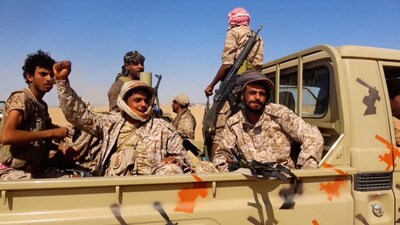
- •The Houthis, initially a Zaydi revivalist movement, transformed into a formidable armed militia, leveraging anti-government sentiment and strategic alliances to seize territory and disrupt global shipping.
Key Questions Answered
The Houthi movement originated in the early 1990s as a Zaydi Shia revivalist movement in Yemen's rugged northern Sa'ada province, led by Hussein Badreddin al-Houthi. It emerged in response to concerns over Zaydi identity and fears of Saudi-funded Salafi/Wahhabi indoctrination. Following Hussein's death in 2004, the group transformed from a cultural network into an anti-government armed militia.
Yemen's population is fractured along religious and tribal lines, with about 65 percent following Sunni Islam (Shafi'i school) in coastal and southern regions, and 35 percent following Shia Islam (Zaydi school) in the northern highlands. Society is heavily influenced by tribalism, organized around four major historical confederations: Hashid, Bakil, Madhhaj, and Himyar, which vary in governance structures and regional autonomy.
The Bab el-Mandeb strait has emerged as a critical theatre of conflict, serving as an alternative energy transit route following disruptions in the Strait of Hormuz. Increased Houthi activity and territorial advances, such as capturing Mocha, threaten global shipping lanes, crude oil supplies moving toward Asia, and Saudi oil networks.