Stories
Xi-Trump Summit: Pomp or Substantial Chinese Gains? A Misreading of Diplomatic Outcomes
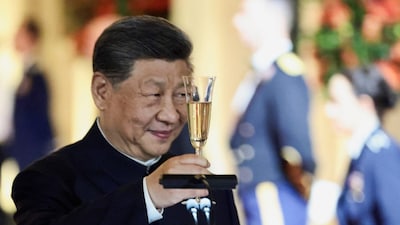
- •Western media viewed the Xi-Trump summit as Trump's needless deference, while Chinese media saw it as recognition of China's restored global status.
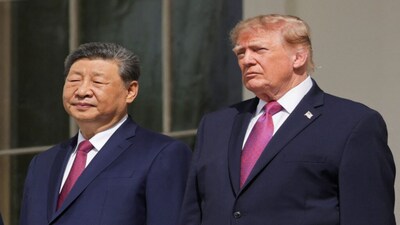
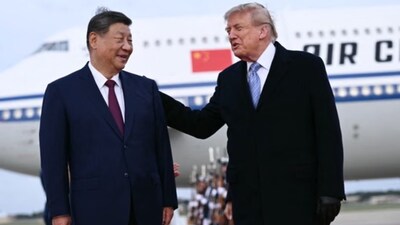
- •The author argues that Xi achieved his primary strategic objective of securing confirmation of US-China parity, starting with Trump personally greeting him at Joint Base Andrews.
- •Trump's breaking of protocol, such as waiting at the tarmac, was interpreted by China as the US conferring equal status, announcing China's formal arrival on the world stage.
- •China aims to impose its framework for defining the US-China relationship, seeking a stable environment to allow China time to catch up with the US.
- •The summit subtly moved the needle on the Taiwan question, with China pushing for the US to "adhere to the correct position of opposing 'Taiwan independence'" for strategic cooperation.
Key Questions Answered
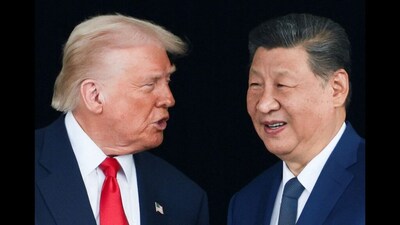
The September 2026 Washington summit between Donald Trump and Xi Jinping concluded without major agreements on artificial intelligence, resulting instead in a modest two-month extension of a trade truce. While critics argued the summit prioritized pageantry and personal rapport over structural concessions, Beijing successfully advanced its framework for US-China parity and strategic stability, particularly concerning Taiwan.
Chinese mainstream and social media viewed President Trump personally greeting Chairman Xi Jinping at the Joint Base Andrews tarmac as a sign of respect acknowledging China's restored status on the global stage. In contrast to Western criticism that Trump displayed excessive deference, Chinese observers interpreted the protocol-breaking welcome as a visual metaphor confirming superpower parity and mutual respect.
During the summit, China pressed its core interests regarding Taiwan, utilizing readouts to emphasize that Washington must adhere to opposing Taiwan independence to lay a solid foundation for bilateral cooperation. Beijing's framing subtly shifted the diplomatic baseline, leveraging Trump's desire for stability to advance its position on regional sovereignty without compromising.