Stories
West Asia At A Strategic Crossroads: Will Twentieth Century Borders Survive?
- •West Asia's twentieth-century borders and political order are facing unprecedented stress from internal conflicts, external interventions, and economic instability affecting basic trade and energy supplies.
- •Traditional foundations of regional stability—including energy wealth, national identity, and outsourced external security guarantees—are under simultaneous pressure across the region.
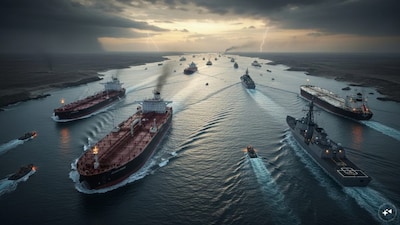
- •The vulnerability of critical energy infrastructure has been exposed by low-technology threats like drones that can bypass high-cost defense systems and disrupt vital shipping chokepoints.
- •Historical ethnic and religious identities, such as divided Kurdish, Pashtun, and Baloch populations, continue to strain central governments as effective sovereignty undergoes redistribution.
- •Future regional outcomes range from successful economic adaptation and prolonged attrition to fragmented sovereignty and potential joint containment of Iran, threatening a redrawing of maps.
Key Questions Answered
The stability of modern states in West Asia historically rested on national identity, religious legitimacy, energy wealth, and external security guarantees provided by Western powers, the Soviet Union or Russia, and corporate giants.
Oil wealth enabled Gulf monarchies to finance infrastructure, public services, and defense while extending global influence through investments. However, it also created heavy reliance on uninterrupted critical infrastructure and external partners for security against low-cost threats like drones.
The region faces four broad outcomes: adaptation through diversified economies and defense, prolonged attrition from recurring attacks, fragmented sovereignty where armed groups control territories, or Gulf powers openly allying with Israel and the US against Iran.