Stories
UPI Cess: Balancing Sustainability with Digital Inclusion and Geopolitical Standing
- •The government proposes a cess of 0.25–0.40% on UPI transactions exceeding INR 2,000 to ensure long-term sustainability and technological advancement.
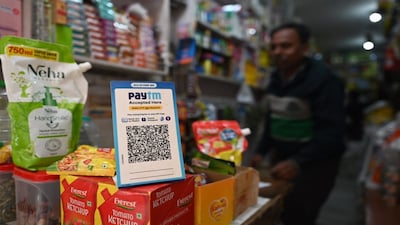
- •UPI, a key part of India's Digital Public Infrastructure (DPI), handles over 60 crore daily transactions and is crucial for MSME growth, education, and healthcare access.
- •A blanket cess could push users towards cash or private card networks, potentially compromising RuPay's competitiveness against Visa and Mastercard.
- •A calibrated approach with a tiered structure, shielding small merchants and low-ticket transactions, is suggested to balance sustainability with continued adoption.
- •An independent impact assessment is crucial to model merchant/consumer price elasticity, fiscal yield, and downstream effects on financial inclusion before implementation.
Key Questions Answered
If passed, the legislation could impose a charge equivalent to 0.25 to 0.40 percent of the transaction value whenever a UPI transaction amount exceeds INR 2,000. Alternatively, market expectations point toward a potential 0.5 percent merchant discount rate for merchant transactions above INR 2,000, while individual person-to-person transfers are expected to remain free.
The stated objective of the measure is to ensure UPI's long-term sustainability, technological advancement, and resilience against emerging risks. Industry stakeholders note that banks and fintech companies spend substantial amounts annually to maintain and expand the digital payments infrastructure, making a monetization model necessary for ongoing growth.
The government has moved an amendment to the Payments and Settlements Act, 2007, to create the legal framework required for digital payment charges. This legislative change would provide the Reserve Bank of India and the National Payments Corporation of India the authority to frame rules on how UPI payments may be charged.