Stories
Trump's Diplomatic Enigma: A Global Waiting Game
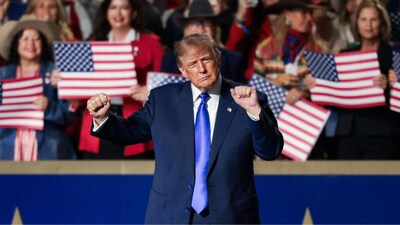
- •Donald Trump's unpredictable statements and policy shifts have created a new challenge for global diplomacy, making it difficult to distinguish between rhetoric, threats, and settled policy.
- •His approach to Russia and Ukraine has been inconsistent, initially seeking peace, then imposing sanctions, and later praising progress while simultaneously increasing tariffs on nations purchasing Russian oil.
- •Trump's tariff policies have been equally bewildering, presented as punishment, leverage, protection, revenue, and foreign policy tools, with their application constantly changing across various countries.
- •India has faced theatrical contradictions regarding Russian oil purchases, with Trump initially dismissing India's actions, then imposing significant tariffs, and later reducing them based on commitments, only to propose new, higher tariffs.
- •Diplomats now face the complex task of interpreting Trump's statements by considering context, timing, audience, subsequent events, and actual US power activations, rather than assuming every statement reflects a settled policy.
Key Questions Answered
In September 2026, Washington moved toward legislation authorizing tariffs of up to 100 percent on countries continuing to purchase Russian oil, placing India and China directly in the frame. The House has already passed this measure, and it currently awaits President Trump's signature.
Initially, US policy actively encouraged purchasing Russian oil under a price-cap regime to keep Russian crude on the global market and prevent damaging energy price rises. However, policy later shifted to penalize these purchases, with Washington arguing that India buying Russian oil helped finance Russia's war in Ukraine.
Under President Trump, tariffs have been presented alternately as punishment, bargaining leverage, worker protection, revenue sources, and instruments of foreign policy. They have frequently been imposed, suspended, reduced, increased, and renegotiated, demonstrating a pattern where a tariff announcement often serves as the beginning of a negotiation rather than the end.