Stories
The Real Danger to Indian Democracy Isn't Radical Radicals, It's Their Mainstreaming
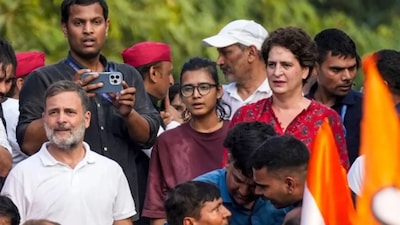
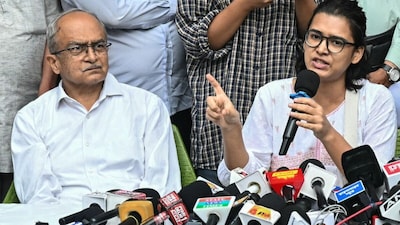
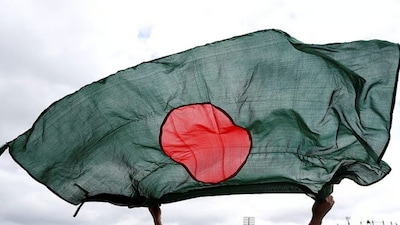
- •A student leader celebrating a Bangladesh-style regime change in Bharat was recently given political prominence by the Leader of the Opposition.
- •The real concern is the mainstreaming of fringe political elements by established parties seeking shortcuts to power.
- •Protest toolkits often rely on theories like the 3.5 per cent rule to incite civil resistance and bypass the ballot box.
- •Bharat's sheer size, diversity, and resilient constitutional democracy make it difficult for foreign-style regime-change models to succeed.
- •Democratic resilience can be undermined if mainstream political forces legitimize extra-constitutional overthrows instead of credible democratic alternatives.
Key Questions Answered
Formulated by Harvard professor Erica Chenoweth, the 3.5% Rule suggests that a small, highly committed cadre comprising just 3.5 percent of a country's population can effect a regime change through street mobilisation.
Bharat's massive population makes mobilising 3.5 percent of the country challenging, and its deep diversity prevents a single agenda from capturing the national imagination. Additionally, the nation possesses a resilient electoral democracy with constitutional safety valves rather than authoritarian rule.
Rather than escalating confrontation, the government chose accommodation by prioritizing dialogue, discussion, and deliberation. Notably, the Education Minister tendered his resignation to take moral responsibility for examination irregularities.