Stories
The EU Has Chosen India, But Has India Chosen Europe?
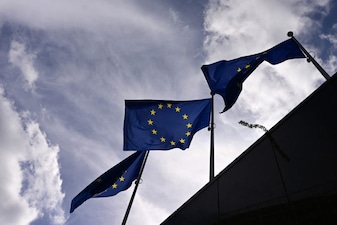
- •The European Union and India have concluded a major Free Trade Agreement as part of a wider strategic relationship encompassing technology, clean energy, and defense.
- •Europe is actively seeking to diversify its economic relationships and reduce strategic dependencies, particularly concerning China and Russia.
- •India maintains a policy of strategic autonomy and multipolarity, avoiding binary choices and refusing to let one relationship dictate others.
- •While engaging with Western allies through frameworks like the Quad, India also remains an active member of BRICS and continues its complex diplomatic balancing act with China.
- •Both sides must adjust their expectations, focusing on areas of genuine convergence in trade and security rather than demanding identical geopolitical stances.
Key Questions Answered
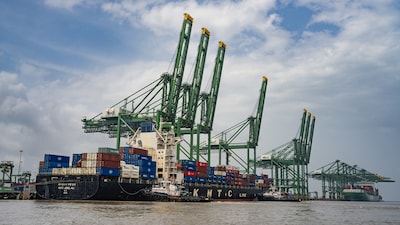
The European Union and India already trade more than €180 billion in goods and services annually. Specifically, EU-India goods trade reached €118 billion in 2025, and approximately 6,000 European companies currently operate in India.
Negotiations for the landmark India-EU Free Trade Agreement were successfully concluded in January 2026 after being relaunched in 2022. The European Commission presented the proposals to the Council in September 2026 for signature, and the agreement is expected to come into force later in 2026 or during the first half of 2027.
India maintains strategic autonomy and freedom of action by engaging with multiple global powers rather than making binary foreign policy choices. While building security and economic partnerships through the Quad and with Europe, India remains active in BRICS and the Shanghai Cooperation Organisation, allowing it to compete with China where necessary and engage where possible.