Stories
Setting the Record Straight on the Special Intensive Revision of Electoral Rolls
N
News18•12-10-2026, 16:36
Setting the Record Straight on the Special Intensive Revision of Electoral Rolls
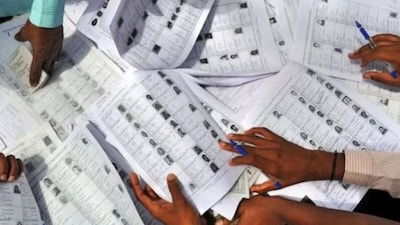
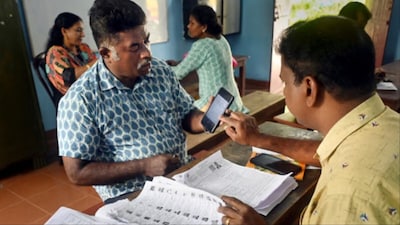
- •The Special Intensive Revision of electoral rolls is a lawful house-to-house verification ordered by the Election Commission of India under Article 324 and existing legal provisions.
- •Intensive revisions are not new, with Bihar experiencing its previous revision in 2003, and the latest exercise aimed to remove deceased, permanently migrated, and duplicate voters.
- •Political parties were actively involved through thousands of booth-level agents, and the final Bihar exercise concluded with zero formal appeals against the final roll.
- •The Supreme Court in May 2026 upheld the ECI authority to conduct the revision, noting it advances the constitutional requirement of free and fair elections.
- •Opposition allegations regarding vote manipulation and disenfranchisement lack credible evidence and ignore data showing no systematic correlation between deletions and election outcomes.
Key Questions Answered
Article 324 of the Constitution grants the Election Commission the power to superintend and prepare electoral rolls, while Section 21 of the Representation of the People Act, 1950, and Rule 25 of the Registration of Electors Rules, 1960, permit special and intensive revisions.
In May 2026, the Supreme Court upheld the ECI's authority to conduct the revision and establish documentation frameworks while ensuring safeguards of notice, hearing, and appeal, noting that eligibility inquiries do not determine citizenship.
The draft-stage removals in Bihar were mainly due to deceased persons, permanent migration or untraceable addresses, and duplicate registrations, leading to a final roll of about 7.42 crore electors after claims and additions.