Stories
Pakistan's UN Peace Pitch Undermined by Credibility Gap and Domestic Realities
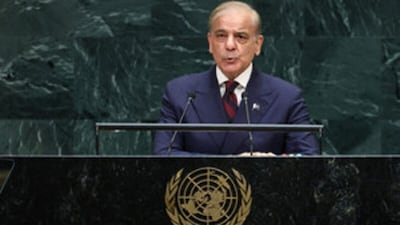
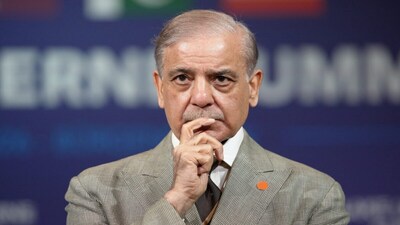
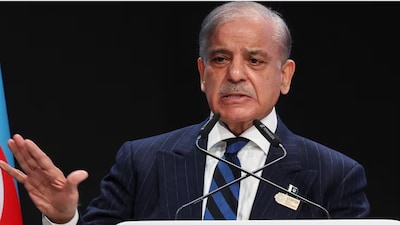
- •Pakistan Prime Minister Shehbaz Sharif's UN address emphasized peace and dialogue, but his rhetoric clashed with the country's internal political and security environment.
- •The speech highlighted the Pakistan Army's significant influence on foreign policy, praising Field Marshal Asim Munir while omitting the role of Pakistan-based terrorist groups in attacks against India.
- •Sharif's call for democratic dialogue at the UN is contradicted by the domestic handling of political opposition, including the imprisonment of Imran Khan and restrictions on his party.
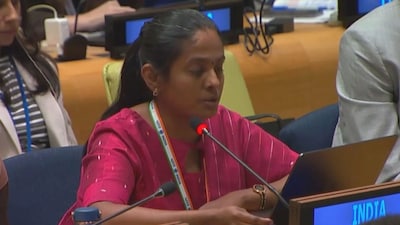
- •Pakistan's claims of being a victim of terrorism are challenged by long-standing allegations of its links with militant organizations operating against neighboring states, particularly India.
- •Sharif's advocacy for human rights and self-determination at the UN is undermined by Pakistan's own record on ethnic minorities, political opposition, and media freedom, as highlighted by civil society groups.
Key Questions Answered
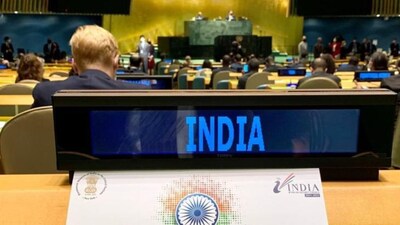
Pakistan Prime Minister Shehbaz Sharif addressed the 81st session of the United Nations General Assembly on September 25, focusing on themes of peace, dialogue, international law, and the peaceful resolution of disputes. He also highlighted Pakistan's role in facilitating U.S.-Iran diplomatic talks, portrayed the country as a victim of terrorism, and raised familiar rhetoric concerning Jammu and Kashmir.
Authorities have deployed approximately 35,000 police and paramilitary rangers around Islamabad ahead of a planned Pakistan Tehreek-e-Insaf (PTI) march on October 4. Hundreds of party activists and former Prime Minister Imran Khan's sisters have been detained amidst ongoing restrictions on the opposition party and Khan's continued imprisonment.
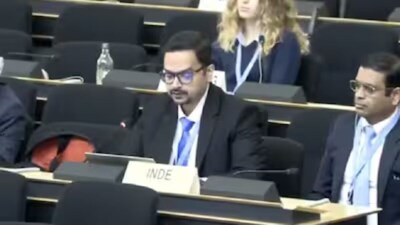
Pakistan's peace narrative is contradicted by its domestic suppression of political dissent, minority crackdowns in regions like Balochistan, and longstanding international allegations regarding ties with militant groups like Lashkar-e-Taiba and Jaish-e-Mohammed. Civil society protests at the UNHRC in Geneva further exposed systemic issues such as enforced disappearances and extrajudicial killings.