Stories
Why Manipur's Kuki-Naga Conflict Gets Ignored By The Media
N
News18•19-10-2026, 10:39
Why Manipur's Kuki-Naga Conflict Gets Ignored By The Media
- •Recent violence between the Kuki and Naga communities in Manipur has resulted in nearly 50 deaths since February and nine fatalities this month alone.
- •Unlike the Kuki-Meitei conflict, the Kuki-Naga clashes involve two predominantly Christian groups, which breaks the pre-existing Hindu versus Christian narrative favored by some media outlets.
- •International and left-leaning media outlets have largely remained silent on the Kuki-Naga strife because it fails to fit the narrative of religious minority persecution under Prime Minister Narendra Modi.
- •The complex historical territorial disputes, cross-border militant involvement, and competing homeland demands between Kukis and Nagas complicate the simplistic tribal solidarity myth.
Key Questions Answered
Media coverage has waned because the recent conflict is between the Kuki-Zo and Tangkhul Naga tribes, who are both overwhelmingly Christian, thereby disrupting the pre-existing narrative of Hindu versus Christian religious persecution under Prime Minister Narendra Modi.
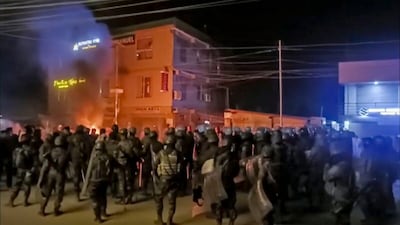
Recent clashes across Manipur's Kamjong, Kangpokpi, and Ukhrul districts resulted in at least nine deaths, including a Kuki woman and Naga village guards, along with more than a dozen houses being burned.
The Kuki-Naga conflict shatters the simplistic 'tribal hills versus non-tribal valley' dynamic and 'tribal solidarity' myth because both groups occupy the hills, share a Christian identity, and have a history of bloody territorial feuds.