Stories
India Automotive Sector Reshapes Global Industrial Alliances and Drives Export Push

- •India's automotive market is transitioning from a defensive landscape to a global export hub, driven by frugal platform engineering and scalable electric vehicle architectures.
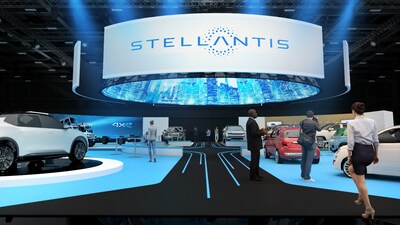
- •Strategic alliances like Tata Motors partnering with Stellantis and JSW Group aligning with MG Motor and Škoda Auto Volkswagen India aim to co-develop vehicles for over 50 global markets.
- •Indian original equipment manufacturers have mastered world-class safety compliance, lean component supply chains, and aggressive cost management to compete internationally.
- •European legacy brands are increasingly partnering with Indian powerhouses to leverage local manufacturing scale, cost optimization, and supply chain resilience for margin survival.
- •Challenges such as stringent software demands in Europe, raw material supply security for lithium and nickel, and potential protectionist trade barriers remain key hurdles for the expansion.
Key Questions Answered
Tata Motors and Stellantis agreed to co-develop vehicle architectures in India to target over 50 global markets. The collaboration leverages local engineering scale and manufacturing capabilities to serve international demand.
JSW Group has engaged in joint-venture alignments involving MG Motor and a majority-stake, non-binding alliance with Škoda Auto Volkswagen India. This framework integrates European platform design, Chinese battery and software technology, and Indian industrial capital and low-cost manufacturing scale.
Western Europe is currently facing soaring factory overheads, high energy inputs, and strict emissions mandates, which make building profitable mass-market electric vehicles difficult. By partnering with Indian powerhouses and using India as a manufacturing hub, global automakers can achieve cost optimization, supply chain resilience, and margin survival in international markets.