Stories
Beyond Imran Khan: The Deep Roots of Pakistan’s Political Crisis
- •Pakistan faces a deep structural crisis where ultimate power lies with the military establishment rather than civilian parliaments or elected governments.
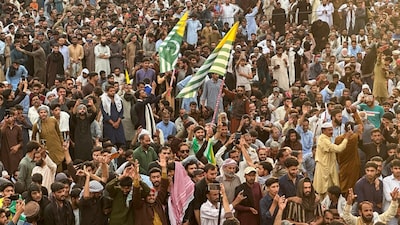
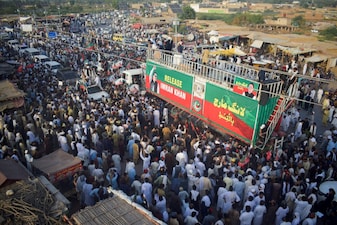
- •Imran Khan rose to power in 2018 with military backing, but his fallout with the generals over key appointments led to his ouster in 2022 and subsequent mass mobilization against the military's political role.
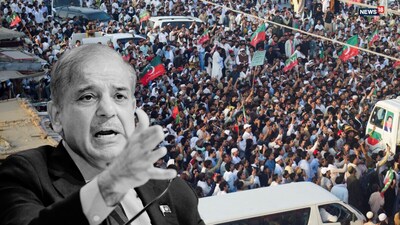
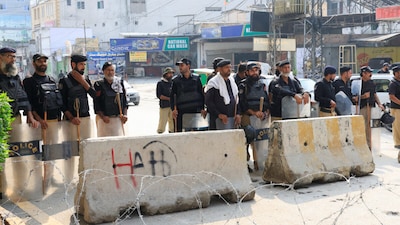
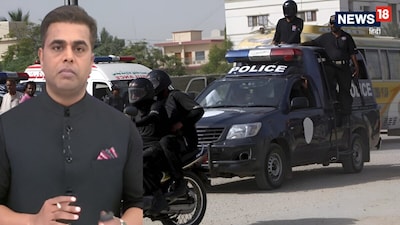
- •The state's heavy-handed response to PTI protests, including roadblocks, mass arrests, and restricted access to Khan, highlights a recurring pattern of treating political opposition as a security threat.
- •While Khan's past governance and rhetoric face valid criticism, his imprisonment underscores a broader systemic issue regarding fundamental rights, due process, and civilian supremacy in Pakistan.
Key Questions Answered
Imran Khan was removed from power following a parliamentary vote of no confidence in April 2022. His ouster followed a deterioration in relations with the military establishment over key appointments and control, including a confrontation regarding the replacement timetable for intelligence chief Faiz Hameed.
Relations broke down due to disputes over appointments and institutional control, highlighted by a 2021 confrontation when Khan resisted the military's preferred timeline to replace ISI chief Faiz Hameed. Matters worsened when Khan refused to step aside quietly, bringing his criticism of the military into public rallies and transforming an elite power struggle into a mass political movement.
Imran Khan's sister Uzma stated that Khan told her he was repeatedly tortured and deprived of normal human contact during a hospital examination in August, though the Pakistani government has disputed these claims. Lawyers and family members also raised concerns about his eyesight and access to independent medical care, prompting Pakistan's Supreme Court to order his transfer to a hospital invoking his fundamental right to health and safety.