Stories
Asim Munir wants to redraw Pakistan, but it may end up breaking it
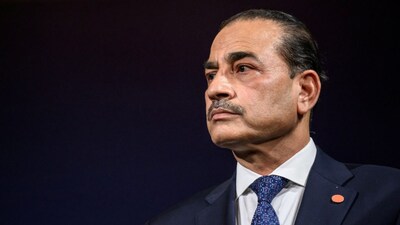
- •Reports suggest Pakistan Army Chief Field Marshal Asim Munir plans to carve the four main provinces into a dozen smaller regions to tighten military control and weaken provincial autonomy.
- •The strategy mirrors former military dictator Gen Zia-ul-Haq's historic obsession with suppressing ethnic and linguistic identities in favor of an artificially manufactured Islamic unity.
- •Critics argue that Pakistan's military leadership views the nation's rich diversity as a threat rather than a strength, repeating the historical mistakes that led to the secession of Bangladesh in 1971.
- •The deep-rooted ideological dilemma of using religion as the primary state glue has consistently failed to resolve ethnic grievances in Balochistan, Khyber Pakhtunkhwa, and Sindh.
- •Rather than saving Pakistan from its internal fault lines, Munir's centralisation efforts risk deepening ethnic fractures and pushing the fragile nation closer to further unravelling.
Key Questions Answered
Field Marshal Asim Munir is reportedly planning to carve Pakistan's four main provinces—Punjab, Sindh, Khyber Pakhtunkhwa, and Balochistan—into at least a dozen smaller provinces or up to 160 administrative units. The ostensible justifications for this major administrative overhaul are national security and administrative efficiency.
Munir's plan bears a striking resemblance to a proposal once floated by military dictator Zia-ul-Haq between 1978 and 1980. Zia similarly wanted to replace Pakistan's existing provinces with 53 smaller ones to suppress ethnic identities and enforce a unified Islamic nationalism.
Critics allege that the reorganisation is a design to weaken provincial autonomy, suppress regional ethnic identities, and tighten the military establishment's political and administrative grip over national resources. By breaking up major political powerhouses like Punjab and Sindh, the federal government and military expect to increase central control.