Stories
Ashok Singhal: A Visionary Leader's Enduring Legacy of Nation-Building and Cultural Revival
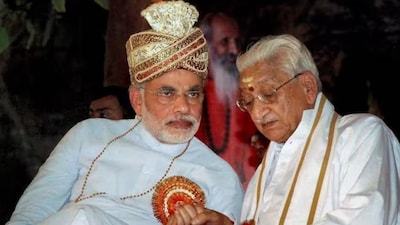
- •Ashok Singhal's birth centenary marks a celebration of his dedication to spiritual pursuit, cultural awakening, and decades of organizational work.
- •He was deeply compassionate, consistently working for marginalized communities and providing aid during natural disasters, notably after the 2001 Kutch earthquake.
- •Singhal played a pivotal role in the Ram Janmabhoomi Movement, advocating for social harmony and equality, and envisioning a grand Ram Mandir in Ayodhya.
- •He nurtured institutions and movements with persistence, possessing formidable oratory skills and a deep bond with the Sant Samaj.
- •Singhal was passionate about education, especially Vedic education, and music, actively supporting initiatives like Ekal Vidyalaya and encouraging learning among Karyakartas.
Key Questions Answered
Ashok Singhal played a pivotal role in the Ram Janmabhoomi Movement, serving as a prominent leader during major events like the 1991 Boat Club Rally and sustaining injuries at the peak of the campaign. The realization of the grand Ram Mandir in Ayodhya is attributed to the selfless efforts of stalwarts like him.
Ashok Singhal organized a major Vishwa Hindu Parishad convention in the USA in 1993 to mark the centenary of Swami Vivekananda's Chicago address. He also helped organize the World Hindu Conference in Port of Spain, Trinidad and Tobago, in the year 2000.
Beyond nation-building, Ashok Singhal was deeply passionate about education, particularly Vedic education and the Ekal Vidyalaya initiative that extended basic learning to remote and tribal villages. He was also deeply fond of music, known for singing the Ekal Geet and performing patriotic songs like "Hey Matribhoomi Meri".