Stories
White House Spends $20M Taxpayer Funds on Pro-Trump Ads, Including "God Made Trump"
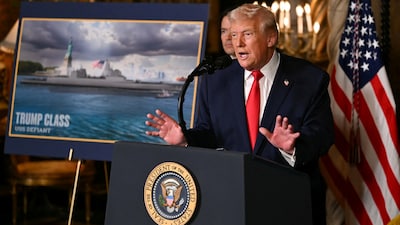
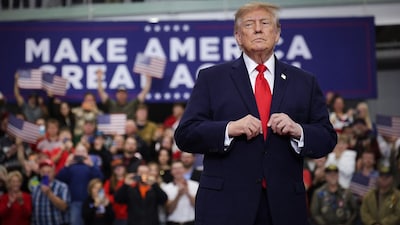
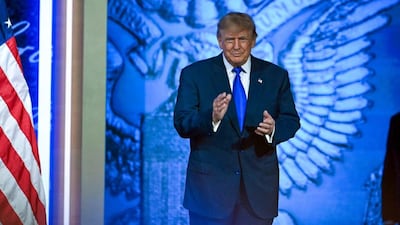
- •The Trump administration allocated $20 million in taxpayer funds for a campaign-style advertising initiative promoting President Donald Trump and his policies, producing at least 13 ads.
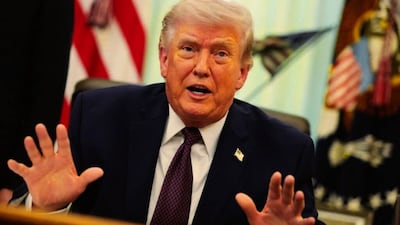
- •One prominent ad, "God Made Trump," portrays the president in religious and heroic terms, using a variation of Paul Harvey's "God Made a Farmer" speech.
- •Other ads, like "Resilience," chronicle Trump's life and career, while "King of the Jungle" features images of Democratic political opponents such as Barack Obama, Joe Biden, and Hillary Clinton.
- •At least $5.6 million in taxpayer money has already been spent on these advertisements, with funds reportedly coming from Customs and Border Protection.
- •The campaign has faced bipartisan criticism from Republicans and Democrats, who question the use of taxpayer money for ads that appear to be political propaganda, though no action has been taken to stop it.
Key Questions Answered
A total of USD20 million has been allocated to the taxpayer-funded advertising initiative, with money drawn from Customs and Border Protection and the Department of Homeland Security's 'One Big Beautiful Bill'. Political advertising tracker AdImpact reports that at least USD5.6 million has already been spent on the campaign.
The campaign includes at least 13 campaign-style videos, such as the three-minute 'God Made Trump' ad created by the Dilley Meme Team and the biographical 'Resilience' video featuring Trump's 2023 mugshot and footage from an assassination attempt. Other advertisements focus on the US military, the war with Iran, Venezuela's Nicolas Maduro, and a White House UFC event.
Lawmakers from both parties, including Democratic Representative Jamie Raskin and Republican Senators Thom Tillis and John Cornyn, have criticized the initiative for improperly using taxpayer funds to promote a sitting president. Watchdog organizations and top Democratic senators also argue that using government money for partisan communications violates federal anti-propaganda laws.