Stories
Pakistan Imposes Emergency in Khyber Pakhtunkhwa Amid Rising Militancy and Political Tensions
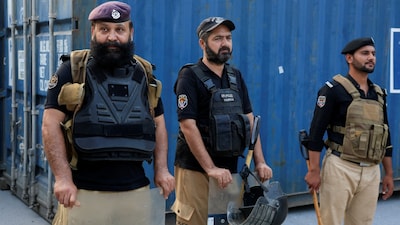
- •President Asif Ali Zardari approved the suspension of the PTI-led provincial government in Khyber Pakhtunkhwa, allowing the military to step into local governance.
- •The Tehreek-e-Taliban Pakistan remains the deadliest terrorist organization in the country, accounting for over half of all terrorism-related deaths in 2025.
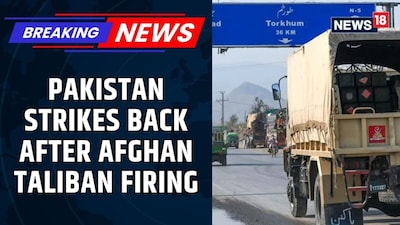
- •Deteriorating relations with the Afghan Taliban have led to cross-border strikes and heightened military confrontation along Pakistan's western frontier.
- •Indian security agencies are monitoring the situation closely to determine if the internal crisis could impact cross-border infiltration and drone smuggling.
Key Questions Answered
On October 11, President Asif Ali Zardari approved suspending the provincial government led by Imran Khan's PTI, allowing Islamabad to take control amid allegations of failing to contain rising militant violence. The federal government criticized the local leadership's approach to counterterrorism and negotiations with Afghanistan, while the PTI condemned the measure as a disguised coup.
The Tehreek-e-Taliban Pakistan (TTP) remains Pakistan's deadliest terrorist organization, accounting for 56% of terrorism-related deaths in 2025 across multiple coordinated attacks. This persistent insurgency, combined with deteriorating relations and cross-border tensions with Afghanistan's Taliban government, has exposed major limits in Islamabad's military-focused security strategy.
There is no publicly established evidence that the army deployment in Khyber Pakhtunkhwa will require Pakistan to withdraw forces from the Indian border. However, Indian agencies are closely monitoring whether a deeper internal security crisis could escalate cross-border drone intrusions, weapons smuggling, and wider regional unpredictability.