Stories
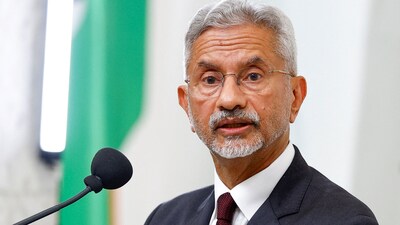
Jaishankar Highlights India-Iran Nuclear Stance Amid West Asia Energy Crisis
M
Moneycontrol•04-10-2026, 22:44
Jaishankar Highlights India-Iran Nuclear Stance Amid West Asia Energy Crisis
- •External Affairs Minister S Jaishankar differentiated India's and Iran's nuclear positions, noting India did not sign the NPT while Iran is a signatory.
- •Jaishankar emphasized India's immediate concern over energy and trade disruptions caused by the escalating conflict in West Asia.
- •He warned that unsettled energy markets directly impact people's livelihoods and household budgets, as India heavily relies on crude oil imports from the region.
- •Jaishankar called for the restoration of uninterrupted flows of energy, trade, and mobility, stressing that India is paying the price for distant conflicts.
- •The remarks came as US President Donald Trump indicated an "easy way or hard way" approach to Iran, while Iranian President Masoud Pezeshkian announced a "new arrangement" to manage US economic pressure.
Key Questions Answered
External Affairs Minister S Jaishankar highlighted that India did not sign the Nuclear Non-Proliferation Treaty (NPT) and reserved its rights, whereas Iran signed the NPT and is subject to different international commitments.
India's immediate concerns are the disruptions to energy supplies, trade, and shipping routes caused by the conflict, which threaten energy markets, people's jobs, household budgets, and livelihoods.
Iranian President Masoud Pezeshkian stated that Tehran has adopted a new arrangement to manage special conditions, asserting that government measures and public support have prevented the objectives of an economic war from being achieved.