Stories
Ghosal Family Durga Puja: Swarms of Butterflies Flock to Sandhi Puja
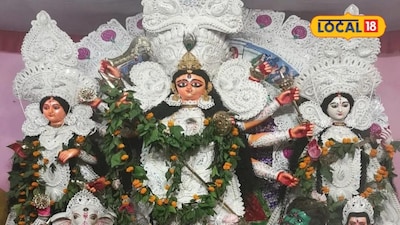
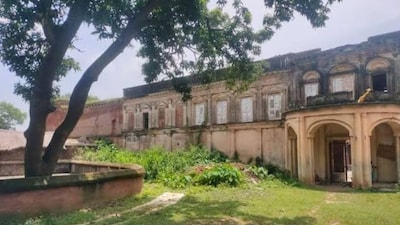
- •The Durga Puja of the Ghosal family in Saheb Bazar, Jangipur, Murshidabad, dates back around 400 to 450 years.
- •A fascinating aspect of the puja is the unexplained appearance of swarms of butterflies at the Goddess altar during Sandhi Puja.
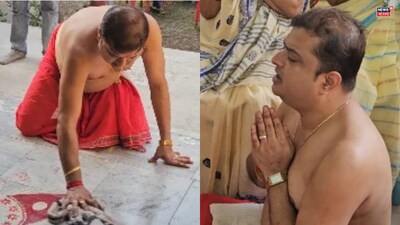
- •Rituals and Gita chanting begin fifteen days before Bodhan, and family members maintain a strict vegetarian diet until immersion.
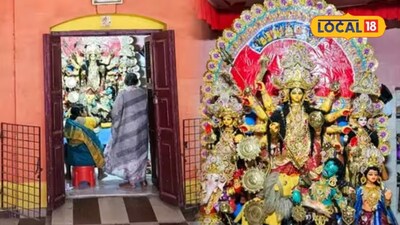
- •The puja follows Vaishnavite traditions with no animal sacrifice, featuring elaborate daily bhog offerings from Saptami to Navami.
- •On Dashami, nearly two hundred devotees carry the idol for immersion, followed by a unique ritual involving hilsa fish.
Key Questions Answered
The historic Durga Puja at the Ghosal family in Saheb Bazar, Jangipur, was initiated approximately 400 to 450 years ago. According to family legend, a member named Gayamani Goswami saw Goddess Durga in a divine dream by the riverbank, prompting the start of the puja. Responsibility for the celebration later transitioned to the Ghosal family when Mahadev Prasad Ghosal established the tradition there.
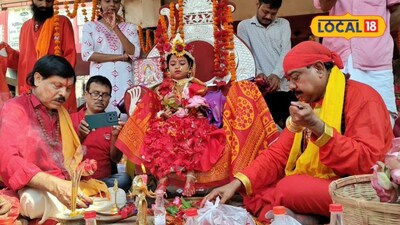
The most fascinating and widely discussed aspect of the Ghosal family Durga Puja is the arrival of swarms of butterflies around the Goddess's altar. Family members and local residents note that these butterflies invariably appear during Sandhi Puja, a phenomenon they consider to be a manifestation of the Goddess's divine power since no scientific explanation has ever been found.
The puja follows strict Vaishnavite rituals, meaning there is no animal sacrifice. Exactly 15 days before Durga Navami, known as 'Bodhaner Navami', the invocation of the Mother begins alongside Gita chanting, and family members maintain a strict vegetarian diet until the immersion on Dashami. Furthermore, the idol ascends the altar on Panchami, the Nabapatrika arrives in a palanquin on Saptami, and progressive multi-item bhogs are offered from Saptami through Navami along with daily feeding of 12 Brahmins.