Stories
Jantar-Mantar: Who protested there first and what was the reason?
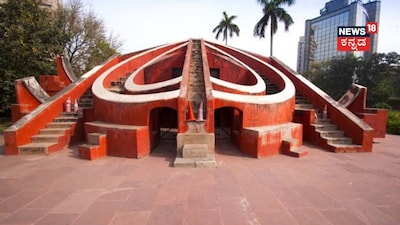
- •Before 1990, protests in Delhi were held at the Boat Club, but it was permanently banned after a massive farmer protest led by Mahendra Singh Tikait in October 1988 paralyzed Delhi for a week.
- •Following the ban on the Boat Club, Jantar-Mantar was designated as an official protest zone, where the first historical protest was staged in 1993 by DUSU President Ashish Sood against anti-student policies.
- •Over the past three decades, Jantar-Mantar has hosted several landmark protests including Anna Hazare's Jan Lokpal movement, the Nirbhaya case protests, and agitations by international wrestlers.
- •Jantar-Mantar was chosen due to its strategic location near Parliament, ministries, and the Rajiv Chowk metro station, making it accessible from anywhere in the country.
- •Current protests at Jantar-Mantar feature organizations like the Cockroach Janata Party demanding the immediate resignation of Chief Election Commissioner Gyanesh Kumar and electoral reforms.
Key Questions Answered
After lakhs of farmers besieged the Boat Club near India Gate in October 1988, causing a week-long standstill, the government permanently banned protests there due to security and traffic concerns. Consequently, the government designated Jantar-Mantar as the official protest zone.
The first historical protest at Jantar-Mantar took place in 1993 under the leadership of Ashish Sood, who was the then President of the Delhi University Students' Union (DUSU). They raised their voices against the central government's administrative decision and anti-student policies.
Over the past three decades, Jantar-Mantar has hosted major demonstrations including Anna Hazare's 2011 Jan Lokpal movement, nationwide protests following the 2012 Nirbhaya rape case, long-term agitations by farmers, and demonstrations by international wrestlers. More recently, it became the site for multi-generational protests demanding education and examination reforms.