Stories
RBI Governor Warns: Tighter Financial Conditions Could Spill Over to Banks
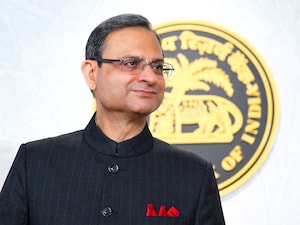
- •RBI Governor Sanjay Malhotra warns that tightening global financial conditions, driven by rising leverage and stretched valuations, could impact banks and markets.
- •Malhotra highlights five global vulnerabilities: rising global debt, potential sharp repricing of AI-linked assets, increased leverage by non-bank intermediaries, weak lending standards in private credit, and heightened cyber risk due to AI.
- •He notes that the financial system absorbed the West Asia conflict's supply shock well, but the global economic environment remains challenging, exacerbating inflationary pressures and financial vulnerabilities.
- •The RBI follows a separation principle, using monetary policy for price stability and targeted tools for financial stability risks, rather than monetary policy itself.
- •For India, Malhotra states the economy is navigating challenges from a position of strength, with fiscal consolidation and credible monetary policy helping to manage bond yields and equity corrections.
Key Questions Answered
RBI Governor Sanjay Malhotra warned that any tightening of global financial conditions could spill over to banks and other markets, explicitly flagging rising leverage and stretched asset valuations as the primary channels of risk.
According to RBI Governor Sanjay Malhotra, the central bank follows a strict separation principle where monetary policy is used exclusively for price stability, while targeted regulatory, supervisory, and macroprudential tools are used to address financial stability risks.
The RBI governor identified five global risks: rising global debt with shortened maturities and hardened bond yields, potential sharp repricing of AI-linked asset valuations, build-up of non-bank financial leverage, weak lending standards in private credit, and heightened cyber risks driven by AI in a borderless financial system.