Stories
New Study Reveals Genetic Secrets of South Asia's Spectacled Cobras
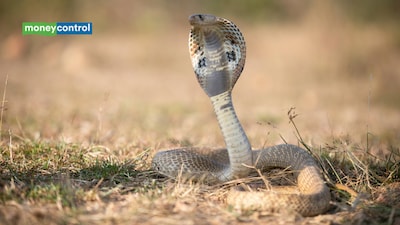
- •Spectacled cobras across mainland India share a largely uniform genetic population with extensive genetic mixing and no clear regional divisions.
- •Sri Lankan spectacled cobras form a distinct evolutionary lineage, having diverged from mainland populations around two million years ago during the early Pleistocene.
- •Despite showing a separate evolutionary history, researchers caution that available genetic evidence does not currently establish Sri Lankan cobras as a separate species.
- •The Naja genus likely originated in Africa before dispersing into South Asia approximately 10.6 million years ago, aided by geological and climate changes.
- •Understanding these genetic relationships is crucial for snakebite research, as it helps scientists study variations in venom composition and antivenom effectiveness.
Key Questions Answered
Spectacled cobras across mainland India belong to a largely uniform genetic population with extensive genetic mixing. In contrast, the Sri Lankan population displays moderate mitochondrial genetic divergence, forming a distinct evolutionary lineage.
No, researchers conclude that the available genetic evidence does not establish Sri Lankan spectacled cobras as a separate species. Genetic lineages can diverge over time without necessarily reaching the level of differentiation required for taxonomic species recognition.
The genetic analysis suggests that cobras reached Sri Lanka around two million years ago during the early Pleistocene. Periodically exposed land connections caused by lower sea levels allowed the snakes to move to the island before subsequent sea-level rises isolated them.