Stories
The Unequal Burden of India's Broken Education System and Student Suicides
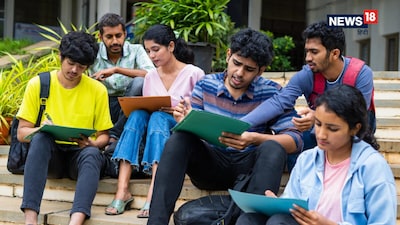
- •Pradeep Kumar's tragic death highlights the severe mental pressure and psychological toll of the NEET 2026 paper leak on vulnerable students.
- •Student suicides in India are deeply rooted in structural violence, affecting socially and economically disadvantaged groups like SCs, STs, queer individuals, and persons with disabilities disproportionately.
- •High-stakes competitive exams like NEET place an immense burden on students, where millions compete for a minimal number of available seats, intensifying anxiety and depression.
- •Securing admission through reservations does not end hardships; data reveals alarming dropout rates and financial constraints among SC and ST students in elite institutions.
- •Caste discrimination, lack of faculty representation, and social alienation inside elite universities create a hostile environment that severely impacts students' mental health.
Key Questions Answered
The psychological and financial burden of paper leaks fell heaviest on socially and economically disadvantaged students, such as Scheduled Castes, Scheduled Tribes, queer individuals, and persons with disabilities. While economically privileged students can easily absorb uncertainties, disruptions like preparation anxiety, travel costs, and expensive re-coaching can jeopardize the futures of vulnerable students.
Despite reservation policies facilitating admission, SC and ST students experience high dropout rates due to financial constraints and systemic pressures. Data from the 2023 Winter Session of Parliament revealed that thousands of reserved-category students dropped out of central universities, IITs, and IIMs over five years, with dropout rates at IIT Delhi and IIT Kharagpur being 318% higher for SC/ST students than general-category peers.
Experts and the Supreme Court-constituted National Task Force recommend that educational institutions strictly implement the UGC zero-tolerance policy against discrimination alongside monitoring mechanisms like CCTV and surprise inspections. Furthermore, universities must foster inclusive environments through peer support buddy programs, accessible mental health counseling, and caste-sensitisation sessions.