Stories
Iran's Grip on Strait of Hormuz Weakens Amid US Naval Power and Alternative Routes
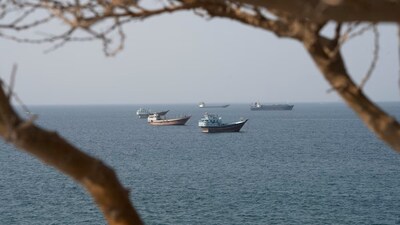
- •Iran's control over the Strait of Hormuz has diminished, but it retains significant capacity to disrupt maritime traffic and impose costs on shipping.
- •US naval power, alternative Omani routes, and commercial operators' preference for American protection have challenged Iran's ability to dictate terms.
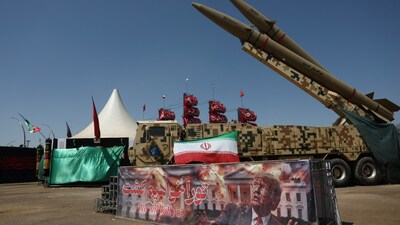
- •American strikes have degraded Iran's military capacity, making sustained maritime harassment more difficult, despite its ability to rebuild assets.
- •Iran attempted to monetize its control through transit fees, but enforcement is problematic, with some vessels opting for alternative routes or rejecting charges.
- •Iranian drones increase uncertainty and costs for shipping, forcing insurers to raise premiums and governments to deploy naval escorts, even without outright destruction.
Key Questions Answered
Iran's grip on the Strait of Hormuz has weakened, and it has partially lost effective control of the waterway. More than 80% of vessel transits have recently shifted to an Omani route, indicating a decline in Iran's ability to dictate shipping through the strait.
The weakening of Iran's control over the Strait of Hormuz and the reopening of the waterway could lead to a decrease in global oil and LNG prices. This is due to the increased flow of oil and gas shipments, which eases concerns about global energy supplies.
The long-term implications for shipping routes include a shift towards alternative routes and infrastructure to reduce reliance on the Strait of Hormuz. Countries are accelerating plans for new rail links, sea-land corridors, and pipeline projects.