Stories
Junk Food Bans Highlight India's Nutrition Divide Amid Rising Obesity and Undernutrition
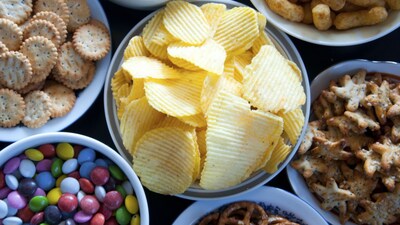
- •India faces a growing nutrition divide, with efforts to restrict High Fat, Sugar, and Salt (HFSS) foods in schools highlighting both rising childhood obesity and persistent undernutrition.
- •A Public Interest Litigation (PIL) in 2010 led to a Delhi High Court directive in 2015 for FSSAI to create nationwide guidelines restricting HFSS foods within schools and a 50-meter radius.
- •Childhood obesity is a global concern, with India seeing an increase in obesity among children under five, though NFHS-6 shows a recent decline to 1.3%; adult obesity, however, continues to rise.
- •FSSAI's 2019 regulations, effective July 2021, banned HFSS food sales and advertising on school premises and within 50 meters, but defining HFSS and enforcing the 50-meter rule remain contentious.
- •Undernutrition remains a significant challenge in India, particularly among government school children, with data from CNNS 2016-18 showing high rates of stunting and low BMI among school-aged children and adolescents.
Key Questions Answered
According to the FSSAI's August 2026 draft notification, a solid food is 'high' if it contains more than 4.2g of added fat, 3g of added sugar, or 0.625g of salt per 100g. For liquids, the 'high' thresholds per 100ml are more than 1.5g of added fat, 2g of added sugar, or 0.175g of salt.
Following a Delhi High Court directive, the FSSAI framed regulations in 2019 that were notified in September 2020 and took effect on July 1, 2021. These guidelines banned the sale and advertisement of any High Fat, Sugar, and Salt (HFSS) food products on school premises or within a 50-metre radius of school gates.
While childhood obesity is a growing concern—with 5.1% of children aged 5–19 overweight in NFHS-5—undernutrition remains a much larger national problem. The 2016–18 CNNS report revealed that 22% of children aged 5–9 were stunted, and 23% of children in that age group, along with 24% of adolescents aged 10–19, had a low Body Mass Index (BMI).