Stories
India's Strict Food Safety Rules: A Problem for Businesses and Consumers?
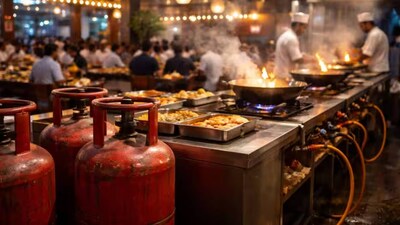
- •India's food safety rules are so stringent that even minor infractions, like refrigerator temperature or dirty shelves, can lead to license cancellation for food business operators.
- •Major institutions, including canteens at the Bombay High Court and Karnataka's health department, have faced violations under the FSSAI Food Safety and Standards Regulations, 2011.
- •The article argues that shutting down businesses for technical violations without evidence of actual harm is an extreme measure, questioning the purpose of overly detailed rules.
- •FSSAI regulations include highly specific requirements, such as utensil condition, food temperature maintenance, and even the washing of raw produce with chlorinated water.
- •The author suggests that food safety rules should focus on preventing actual harm and providing customers with necessary information, rather than imposing impractical, idealized hygiene standards.
Key Questions Answered
Under the Food Safety and Standards Regulations, 2011, rules dictate that hot food must stay above 60°C, cold food below 5°C, and raw fruits or vegetables must be washed with 50 ppm chlorinated water. Additional requirements specify that utensils cannot be chipped, and vegetarian food must be stored above non-vegetarian food in refrigerators.
Raid inspections carried out earlier this year revealed that the canteens at the Bombay High Court and Karnataka's health department (Arogya Soudha) were in violation of FSSAI regulations.
According to a TeamLease RegTech report, a typical mid-sized multi-state food processing enterprise in India is subject to over 3,285 unique compliance obligations, which rise to 11,554 annual actions when filing frequencies are included.