Stories
India Must Confront China Trade Deficit and Deepening Supply Dependencies
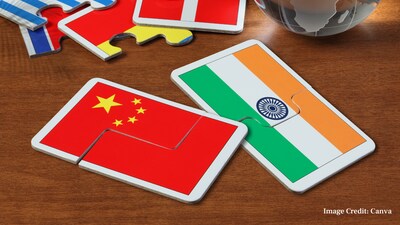
- •India's trade deficit with China surged to 106 billion dollars in the first nine months of 2026, driven by massive imports of critical components and raw materials.
- •Indian manufacturing faces a deep structural vulnerability as it relies heavily on Chinese supplies for electronics, active pharmaceutical ingredients, and renewable energy equipment.
- •Finance Minister Nirmala Sitharaman highlighted China's strict non-tariff barriers as the biggest hurdle restricting Indian exports like pharmaceuticals and agriculture.
- •India should leverage WTO tools and data portals to systematically challenge opaque regulatory approvals and build competitive domestic manufacturing capacities.
Key Questions Answered
Finance Minister Nirmalan Sitharaman noted that China's non-tariff barriers are the biggest hurdle to bilateral trade. During January–September 2026, India's imports surged to $125 billion while exports reached $19 billion, driving the trade deficit to $106 billion. Additionally, data highlights that India relies heavily on China for critical industrial inputs, electronics, machinery, and active pharmaceutical ingredients.
Indian businesses face complex regulatory approvals, product registration delays, certification requirements, and strict sanitary and phytosanitary procedures. These hurdles particularly impact pharmaceutical exports, agricultural and food items, and services, making market access difficult compared to competitors from other countries.
The World Trade Organization provides mechanisms like the Integrated Trade Intelligence Portal (I-TIP) and the Trade Monitoring Database to record notified non-tariff measures and specific trade concerns. India can use these tools to build a comprehensive inventory, scrutinize approval timelines, and raise formal issues in WTO technical and sanitary committees.