Stories
How US-China Tech Decoupling Sparked a Global R and D Boom
- •The tech and trade wars between the US and China have inadvertently accelerated research and development through a mechanism political scientist Mark Zachary Taylor calls creative insecurity.
- •Data shows US R and D increased from 2.9 percent of GDP in 2017 to 3.5 percent by 2022, while China steadily increased its research budget and reached a 2.8 percent GDP share for research by 2025.
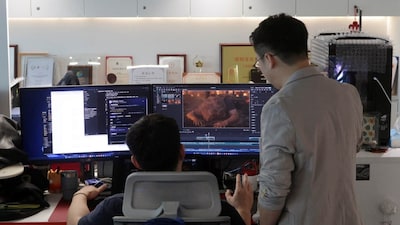
- •Export controls and scarcity induced rapid innovation, leading Chinese labs like DeepSeek and Alibaba to develop efficient open-weight AI models that narrowed the performance gap with American counterparts.
- •While deglobalisation has driven domestic tech surges in both superpowers, it has also caused costs such as reduced research partnerships and financial losses for US suppliers.
- •India currently spends under 1 percent of GDP on research and must urgently adapt by attracting displaced global talent and focusing on frugal AI and open-weight models.
Key Questions Answered
The tech and trade wars have spurred faster R&D through creative insecurity. The US increased R&D from 2.9% of GDP in 2017 to 3.5% by 2022, while China's research share of GDP reached 2.8% in 2025 following harsher chip controls.
Faced with scarce advanced chips due to export controls, labs like DeepSeek practiced induced innovation by inventing methods that require far less computing power. This allowed China to rapidly close the AI model performance gap with the United States by March 2026.
India spends under 1% of GDP on research despite external threats. The article suggests India fast-track research visas for displaced scientists, build on open-weight models, and fund frugal AI through the IndiaAI Mission to turn scarcity into an advantage.