Stories
Rule of Law Above All: CJP Leaders in Custody and the Bounds of Protest in Indian Democracy
N
News18•16-10-2026, 06:38
Rule of Law Above All: CJP Leaders in Custody and the Bounds of Protest in Indian Democracy
- •The fundamental premise of a democratic nation is that the law remains equal for all citizens, regardless of their popularity, political influence, or public support.
- •Cockroach Janata Party leaders were recently sent to judicial custody following protests, highlighting that peaceful dissent does not exempt anyone from obeying administrative rules and legal procedures.
- •While criticizing government policies, demanding administrative reforms, and staging protests are core democratic rights, no organization or movement is above the law.
- •Delhi Police restricted protests at Jantar Mantar and designated alternative sites, leading to legal challenges currently under review by the Supreme Court to balance public order and citizens' rights.
- •Accountability applies to both the government and movement leaders, proving that political popularity cannot replace due legal process and adherence to constitutional norms.
Key Questions Answered
The Cockroach Janata Party originated as a satirical online movement following remarks made by Supreme Court Chief Justice Surya Kant regarding unemployed youth.
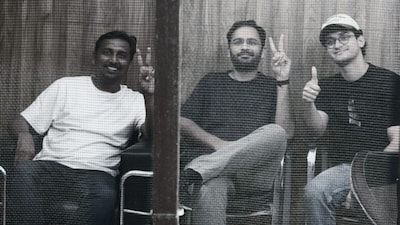
Saurav Das and Ashutosh Ranka were sent to five days of judicial custody after entering a restricted area at Jantar Mantar and obstructing police personnel on duty.
Delhi Police denied protest permission at Jantar Mantar in October, officially removed it from the list of designated protest sites, and designated alternative locations like Ramlila Maidan, Burari Maidan, and CBD Maidan.