Stories
'Country will burn if no interim order,' CJI Suryakant on CEC Gyanesh Kumar hearing
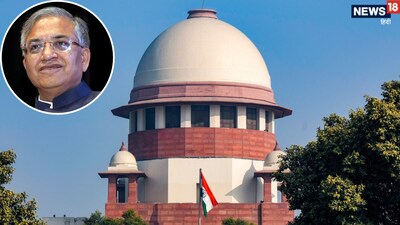
- •Supreme Court to hear petitions on October 5, 2026, challenging CEC Gyanesh Kumar's unilateral exercise of powers.
- •The petition seeks strict enforcement of collective decision-making within the Election Commission and a 'quo warranto' writ.
- •It argues that Article 324 vests power in the Election Commission, not a single Chief Election Commissioner.
- •Election Commissioners Sukhbir Singh Sandhu and Vivek Joshi lodged 14 objections between October 2025 and August 2026 regarding decisions made without their approval.
- •Concerns were also raised about the 'gradual centralization of the voter list database' and changes in IT work allocation.
Key Questions Answered
The petition challenges whether Chief Election Commissioner Gyanesh Kumar can unilaterally exercise powers reserved for a multi-member Election Commission. It cites 14 objections raised between October 2025 and August 2026 by Election Commissioners Sukhbir Singh Sandhu and Vivek Joshi regarding decisions made without their approval, such as changes in Form 6 and database centralization.
The petition invokes Article 324 of the Constitution, which vests election superintendence and control in the Election Commission rather than a single individual. It also cites Section 18 of the Chief Election Commissioner and Other Election Commissioners (Appointment, Conditions of Service and Term of Office) Act, 2023, which mandates collective decision-making and majority rulings.
A bench comprising Chief Justice of India (CJI) Suryakant and Justices Joymalya Bagchi and V. Mohana is scheduled to hear the petitions. Senior Advocate Vikas Singh originally raised the matter before the CJI, leading to the scheduling of the hearing.