Stories
Ammana Kalyani Reborn: Maharaja's Gift Neglected, Villagers' Efforts Revive 300-Year-Old Water Source!
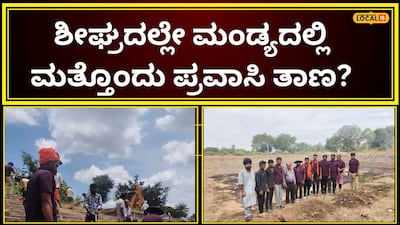
- •The historic 'Ammana Kalyani' in Gowdagere village, Mandya, is being revived by villagers and the Paritrana Foundation.
- •Once a vital water source, the Kalyani was neglected, filled with garbage and weeds due to lack of maintenance and changing rainfall patterns.
- •Historical records indicate King Chikkadevaraja Wodeyar built this Kalyani in memory of his queen centuries ago.
- •Youth and elders of Gowdagere village, along with the Paritrana Foundation, are undertaking voluntary cleaning and conservation work.
- •The massive Kalyani, approximately 300 feet long, 300 feet wide, and 30 feet deep, is being cleaned with plans for a water recharging system in the next phase.
Key Questions Answered
According to historical records, the historic Ammana Kalyani was built by King Chikkadevaraja Wodeyar of the Yadu dynasty between 1673 and 1704 in memory of his queen. Located at the foothills of Melukote hill in Mandya district, this massive 300-foot long, 300-foot wide, and 30-foot deep water source once served as a vital lifeline for daily village life before falling into neglect and becoming covered in garbage and weeds.
The restoration of the Ammana Kalyani is being driven by the youth and elders of Gowdagere village, alongside a team from Bengaluru's Paritrana Foundation led by founder Sachin Shankar. They have been carrying out voluntary labor for several consecutive Sundays to clear garbage, weeds, and shrubs. Additionally, Pandavapura MLA Darshan Puttannaiah visited the site, appreciated the work, and assured the installation of a water recharging system in the next phase.
After clearing the garbage, weeds, and shrubs through continuous voluntary labor, the next goal for the project is to refill the historic structure with water. This will restore its identity and make it a functional water source once again for the villagers and their cattle, successfully combining historical heritage preservation with water conservation. Furthermore, plans include providing a water recharging system during the subsequent phase of development.